
Your customer used to type into Google. Now they ask ChatGPT.
A growing share of buying decisions now starts with an AI-generated answer. If the models don't cite your brand, you're missing from the fastest-growing storefront there is. GEO is the front of the operation that works to put you in that answer.

The question changed. So did the yardstick.
For twenty years, showing up in digital marketing meant ranking on Google. You produced content, Google indexed it, the customer searched and clicked. Now, a doctor searches "best marketing platform for clinics" straight into ChatGPT and gets three names cited in the middle of the answer. No click, no banner. If your brand isn't among the three, you didn't lose ranking: you're out of the conversation. Bringing your brand back into that answer is ongoing work, and it's what this front of the service takes on.


Your brand cited when the customer asks.
Every time someone asks ChatGPT about your category, three to five brands show up in the answer. When yours is one of them, the customer arrives recommended by AI, with no media cost on that acquisition. When it isn't, the question turns into a lead handed to a competitor. This front's goal is to get your brand on that list and keep it there.
A channel still wide open in your market.
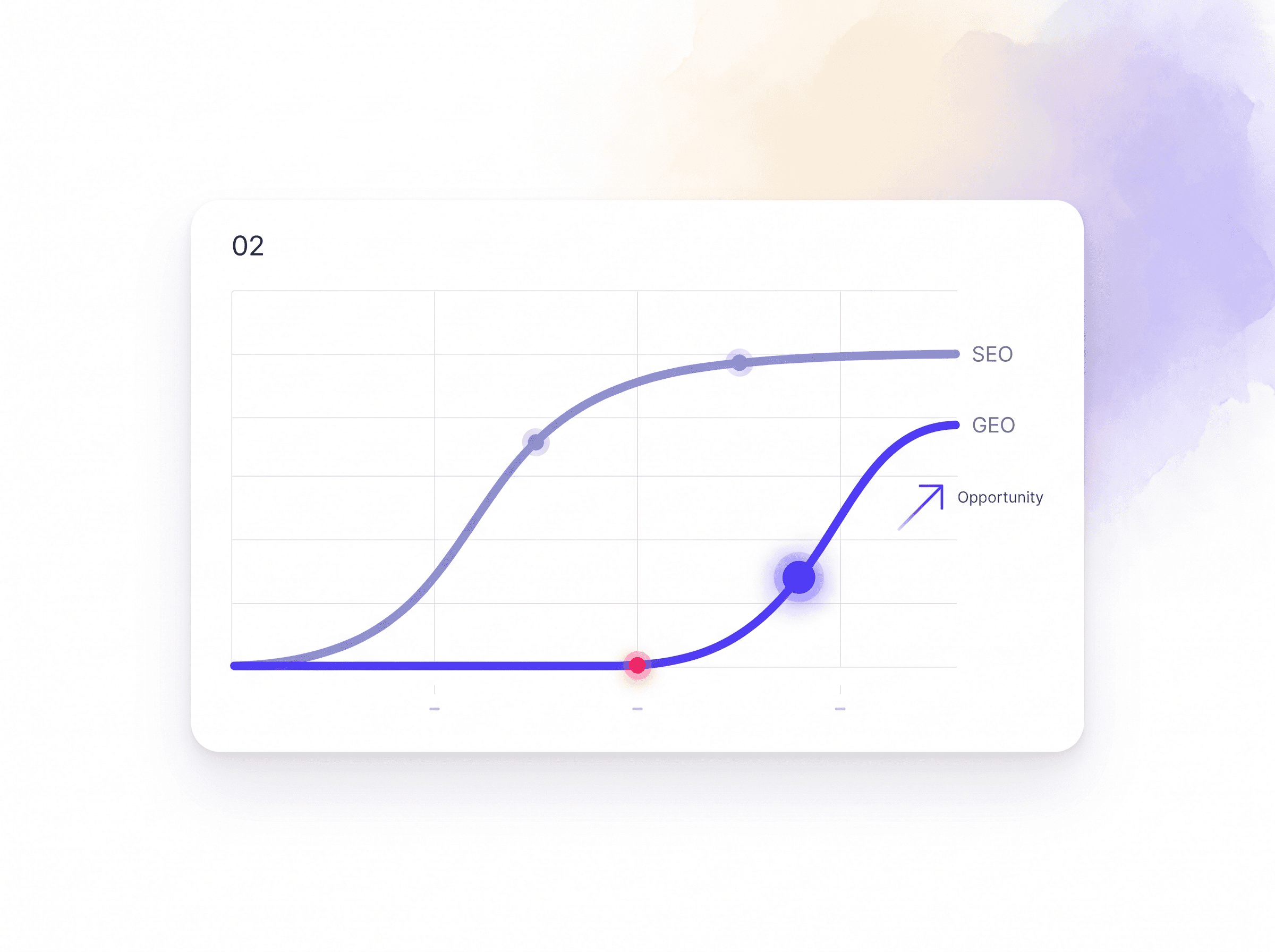
Google SEO took twenty years to saturate. AI visibility is just getting started, and most brands in your market haven't even begun working on it. This is the kind of channel that rewards whoever arrives first: a citation earned now costs less effort than it will once the whole category wakes up. The operation steps in to claim that space while it's still open.
A customer who arrives recommended is worth ten.
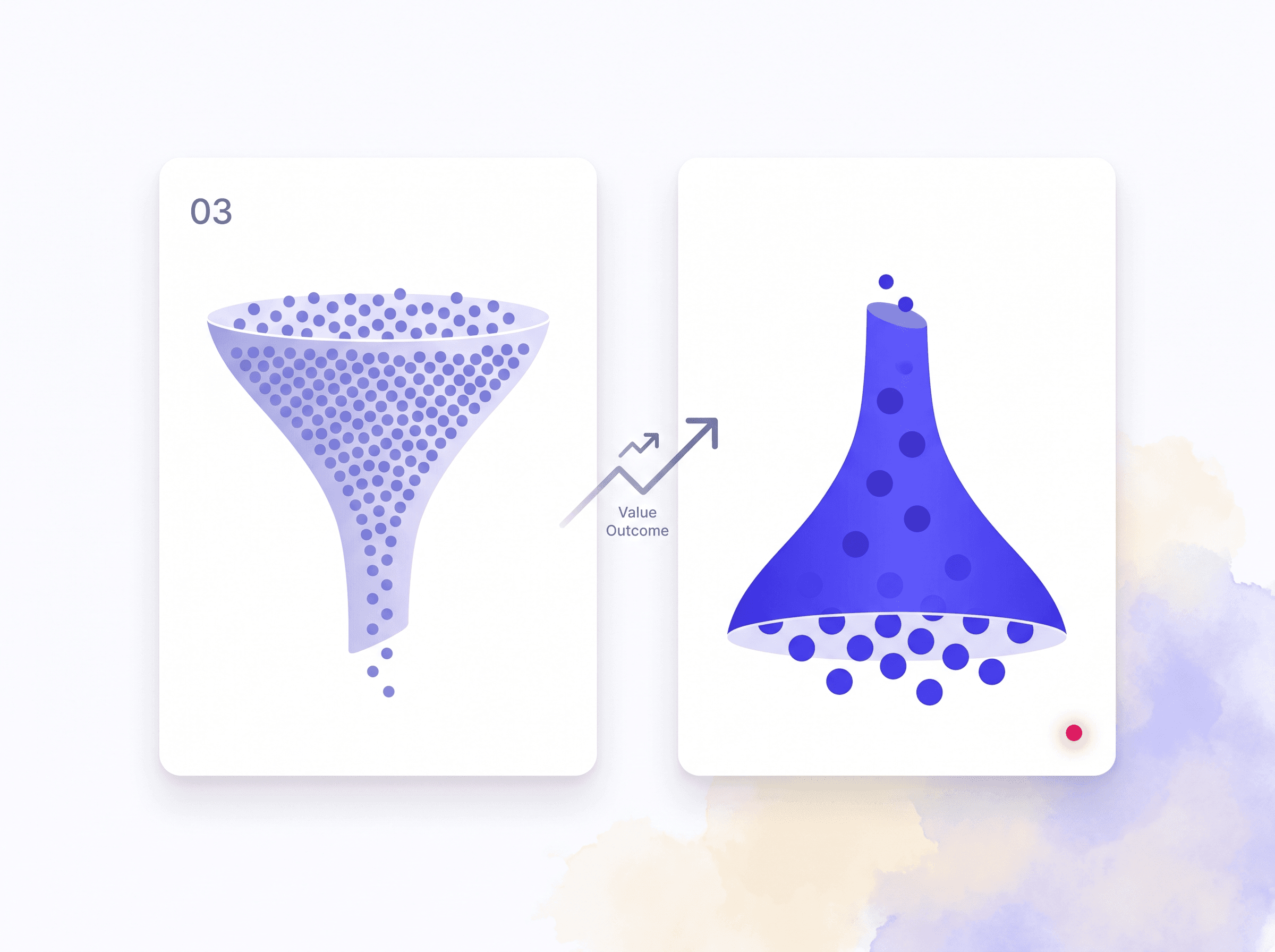
A lead who arrives from an AI answer has already seen your brand positioned next to the competition and already read context about what you do. The sales conversation starts several steps ahead, with fewer price objections and a shorter cycle. That's different from a banner click, which arrives cold and has to be convinced from scratch.
Work that compounds.
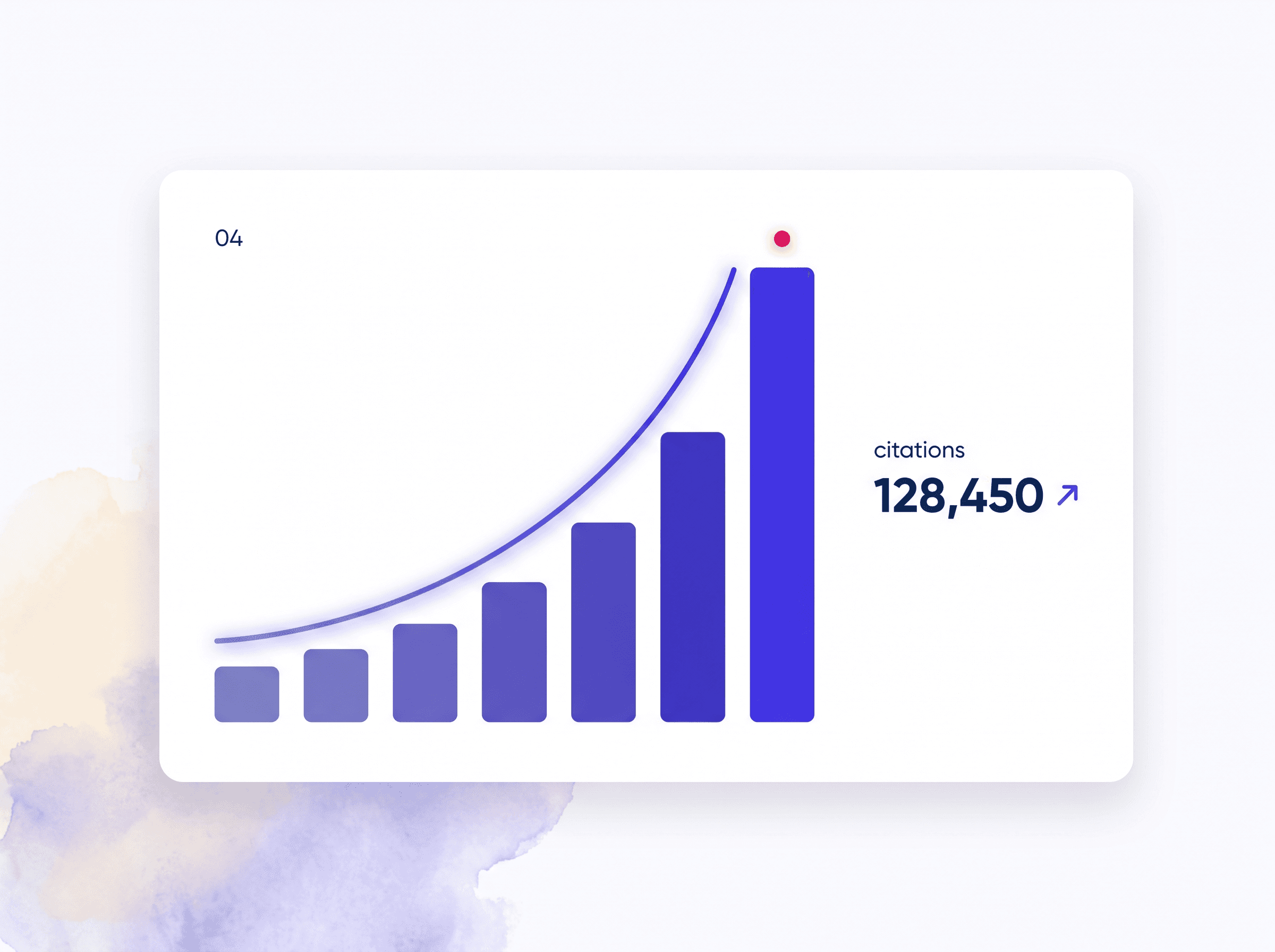
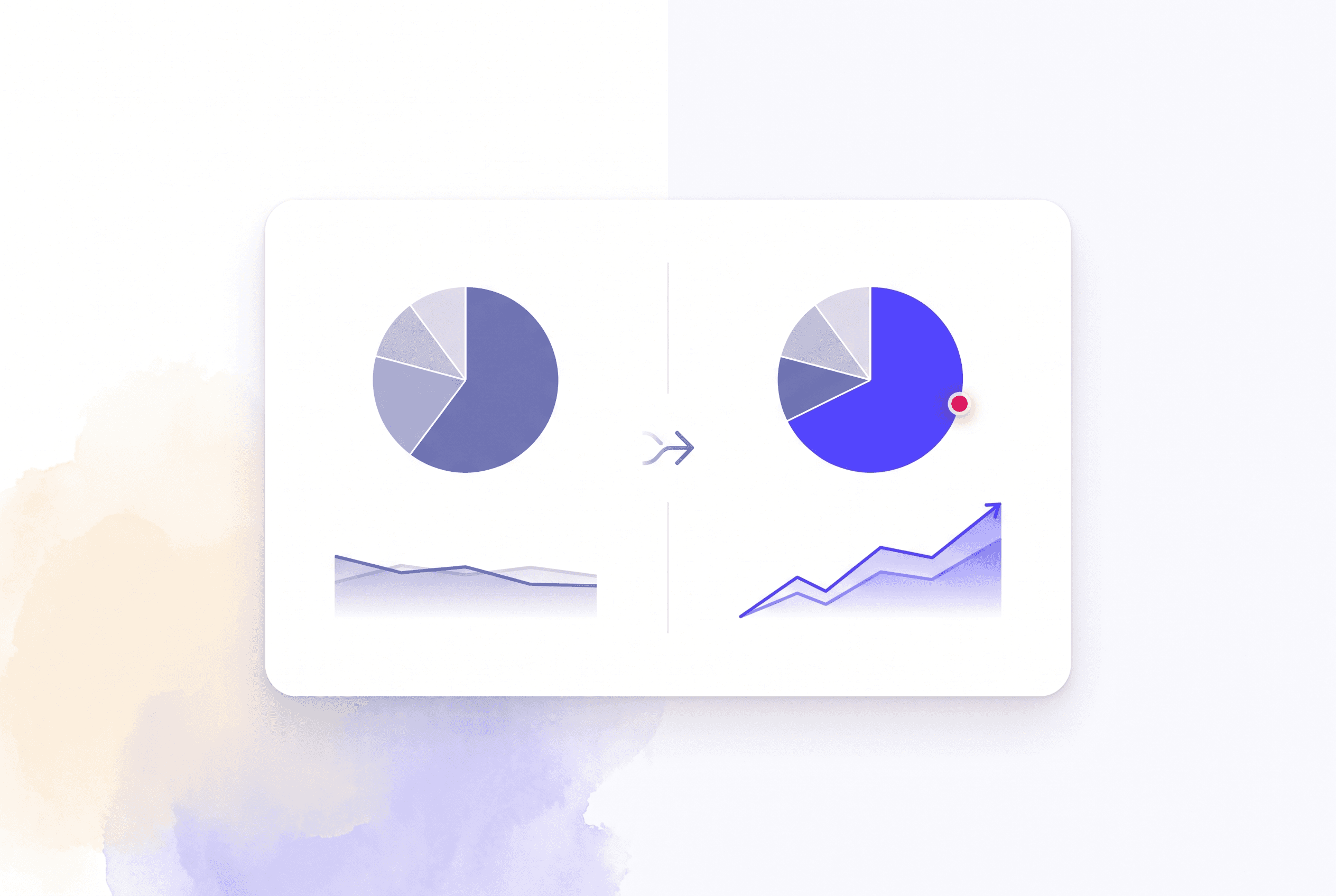
Paid media stops the moment the budget does. Presence in AI answers behaves differently: each citation reinforces the next ones, because the models start treating the brand as a category reference and pull it into adjacent questions. That's why the operation tracks the whole citation curve, not a single isolated appearance.
Who should already be on top of this.
The practical rule: if your customer researches before buying and the category has a generic term, like "best software for clinics" or "tax consulting in São Paulo", the models are already answering that question every day, with names. As long as your brand isn't one of them, every answer strengthens a competitor. B2B SaaS, consultancies, specialized professional services, education, healthcare, and high-ticket products are the categories that show up most in our assessment queue. If your business fits one of them, it's worth measuring your starting point before deciding anything.
How the operation works this front.
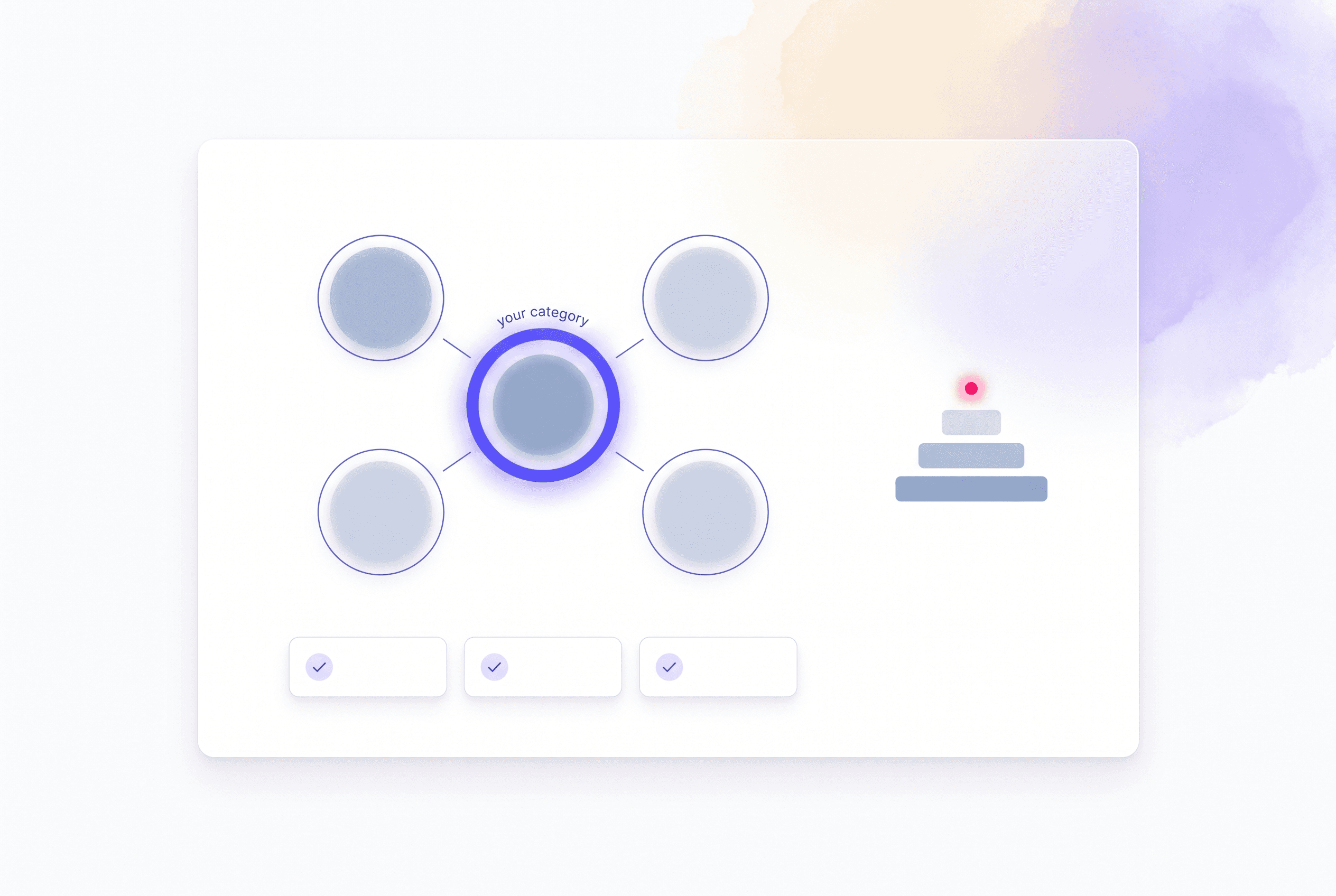
The work starts with a scan: which questions in your category the models already answer, who they cite, and where your brand shows up. That assessment produces a plan for each front: what to publish on the sources the models trust, what to adjust on your pages so AI understands what you do, where to cultivate organic mentions. The team executes week by week, and your account manager walks through the citation curve at each check-in. The first signal usually comes from sales, when a lead mentions finding the brand in an AI answer.
Frequently asked questions.
No. It coexists with it. Plenty of customers still search on Google, and Google itself has folded AI answers into the top of the results page. What changes is that ranking third organically is no longer enough if the generated answer above it doesn't cite your brand. GEO is the natural extension of what SEO has become.
It publishes content on the sources the models trust, adjusts your pages so AI understands what the brand does, and cultivates organic mentions in the category's communities. Everything that goes out under your brand's name gets your approval before it's live.
It depends on the starting point: existing editorial presence, category competition, and the state of your pages all weigh in. That's why the work starts with an assessment, and the citation curve's progress gets presented month by month at your check-in with the account manager.
No serious GEO work promises a guaranteed citation, for the same reason no serious SEO work promises the first spot on Google. What the operation commits to is the method: an initial scan, a plan per front, weekly execution by the team, and tracking of the citation curve.
No. There's no citation auction in general-purpose models today. The work is editorial and technical: publish where the model trusts, make your pages clear for the model to interpret, and cultivate organic mentions in the right communities. No paid media involved.
No. GEO runs as its own front within the service. Clients who also run content creation and market intelligence with us gain consistency, because the themes that back the AI answer are the same ones that go into the feed. But this front runs independently.
Let's design your operation.
Talk to an expert and get an assessment of where you stand.