
An operation that studies your market before creating any content.
Before the first piece, Manycontent maps your competitors, your audience's searches, and the trends in your niche. The research points to the demand that turns into sales, and every piece that reaches your approval queue carries a thesis backed by data.

Outsourcing to someone who starts at the prompt is paying for a guess.
A lot of outsourced content starts from a guess: someone picks a topic at random, the AI returns a correct-sounding text, and the post joins a feed where everything already looks the same. The metric that matters doesn't move. Manycontent's operation flips that order. Before generating a single line, market intelligence maps your competitors, your audience's searches, the trends on the rise, and what has already performed in your niche. A dental clinic doesn't get a "post about smiles": it gets the topic competitors haven't covered yet that its audience is already searching for.

Data analyzed in depth.
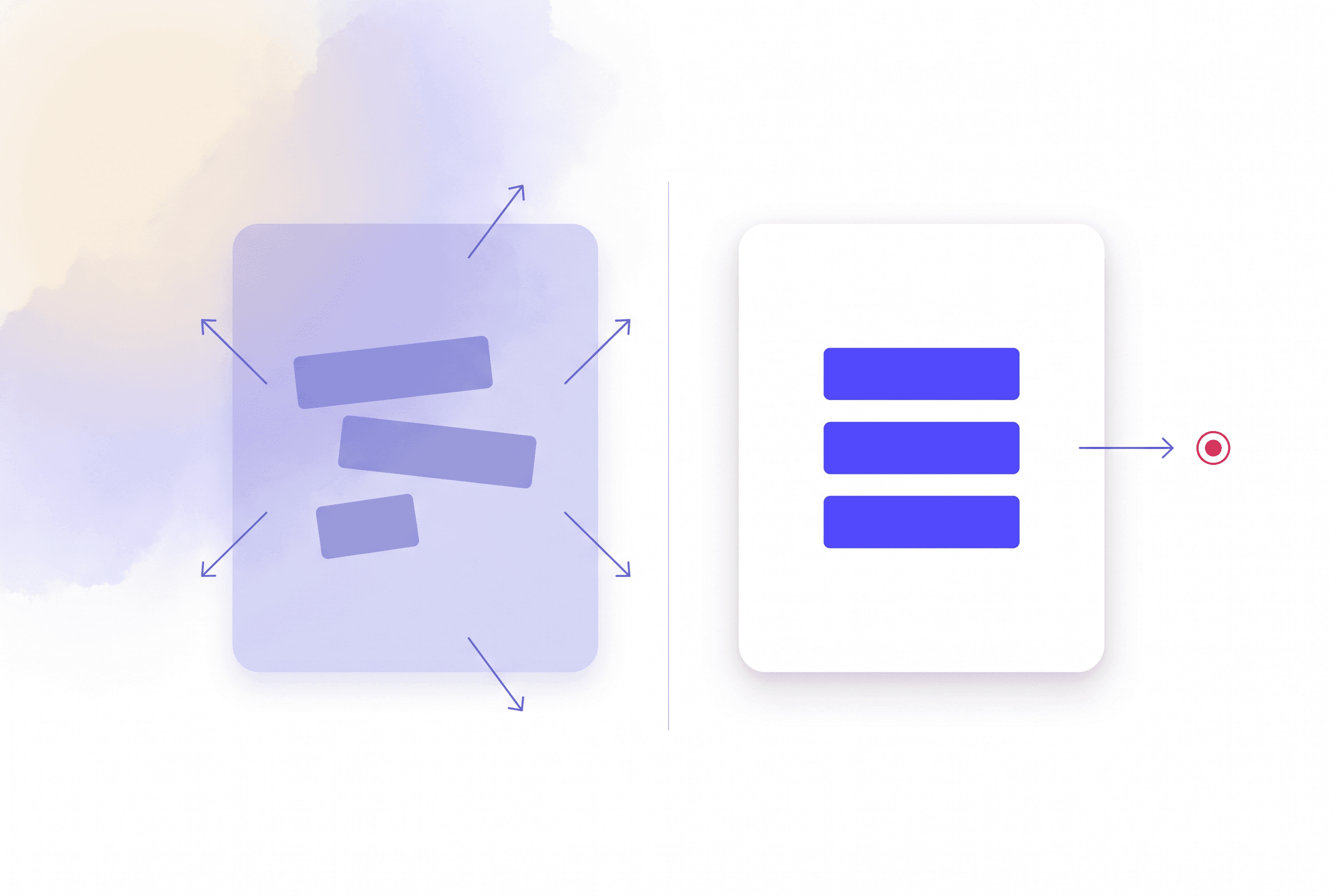
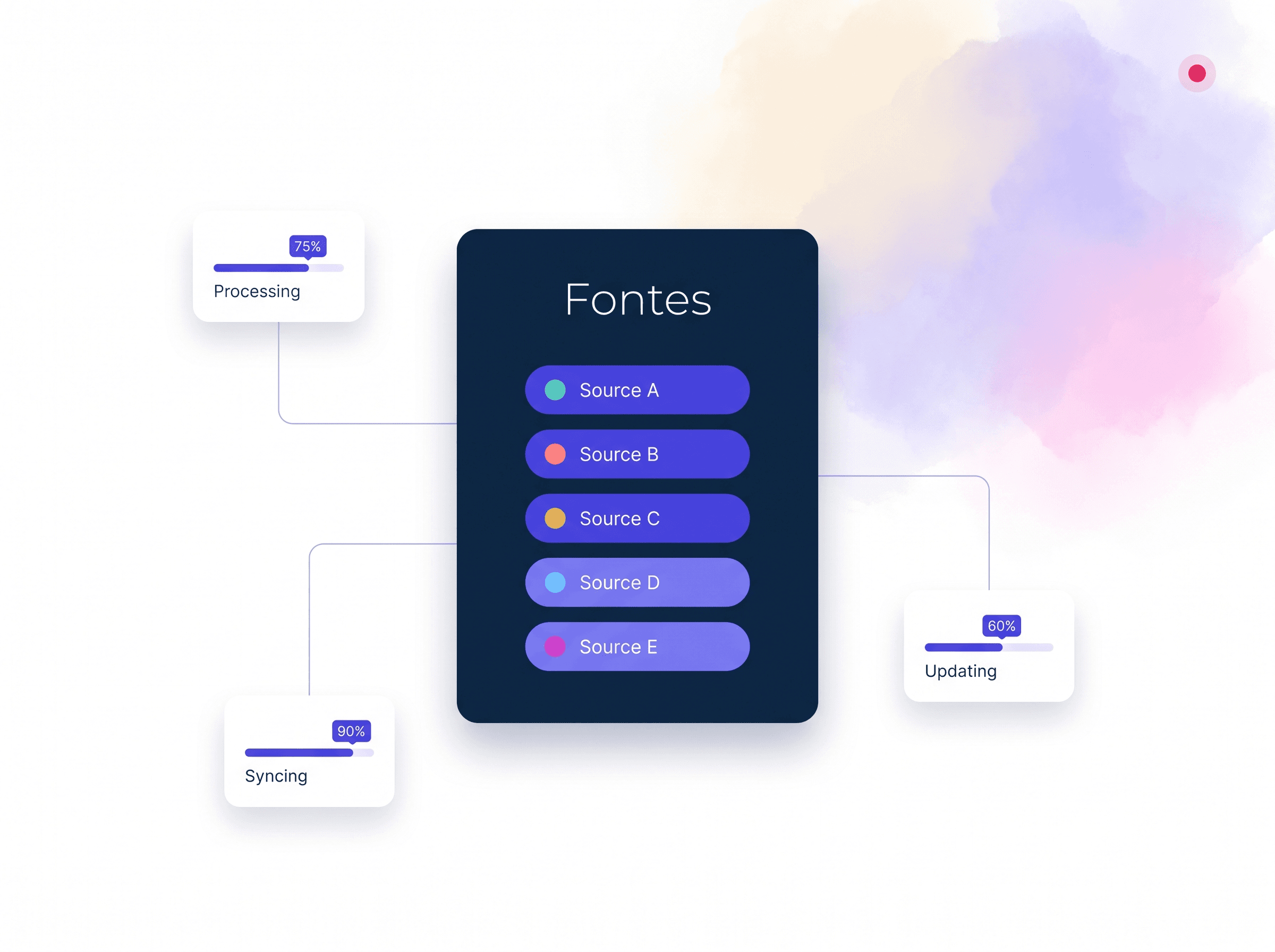
Continuous scanning of your niche: direct and indirect competitors, industry news, Google searches, social platforms, video channels, trends, and audience comments. The operation cross-references all of it with your history to separate what sounds good from what actually performs.
Data science applied.
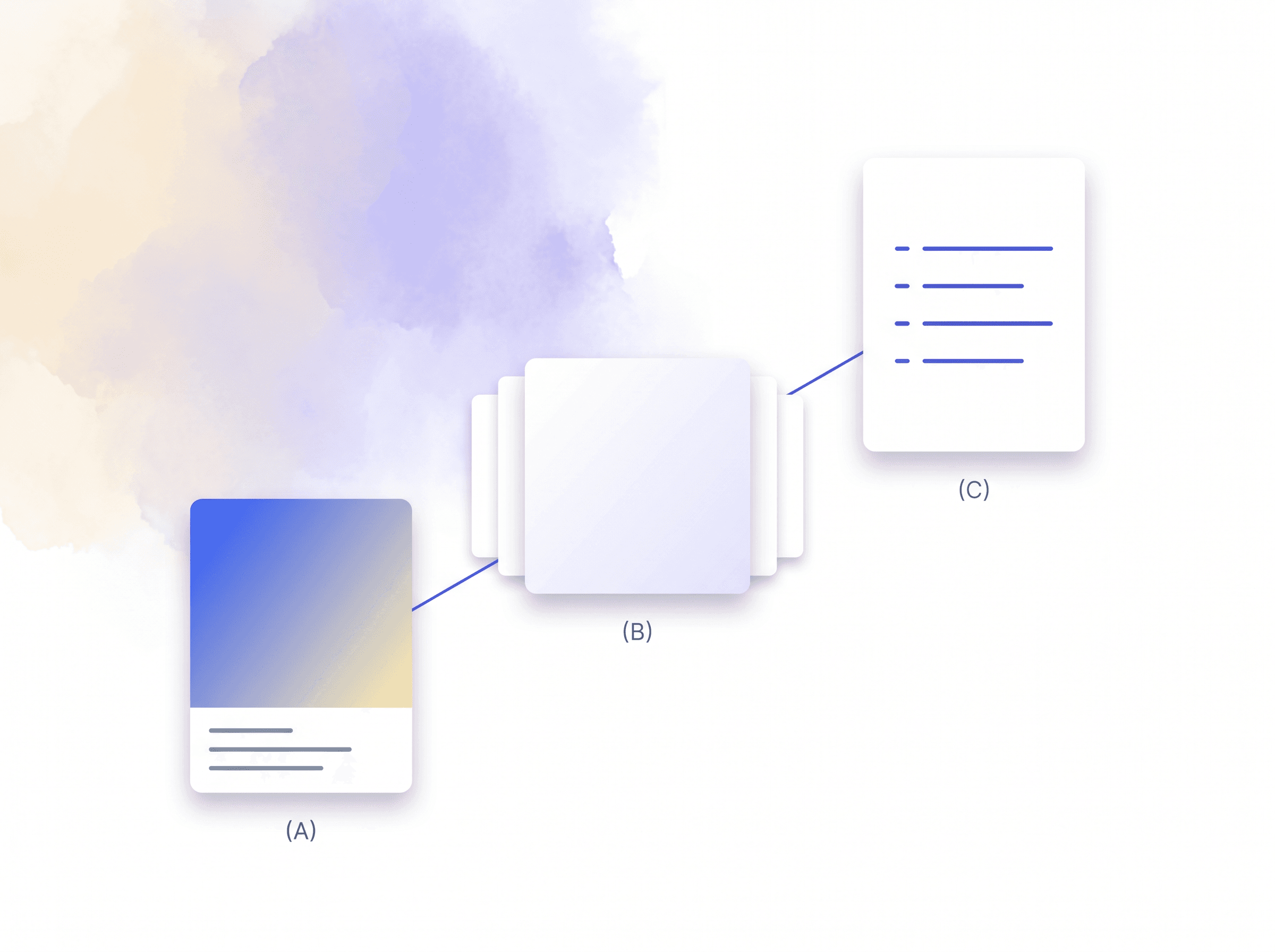
A knowledge graph of your market organizes the findings, maps how topics connect, and ranks the subjects with the most potential for your profile. That map, not a generic list, is what guides what the operation proposes for your approval.
Creation aligned to what was discovered.
Feed posts, carousels, scripts, and captions all originate from that map, aligned to your customer profile and your brand's visual identity. Strategy, copywriting, and design work in sync within the same pipeline.
Smart scheduling by platform.
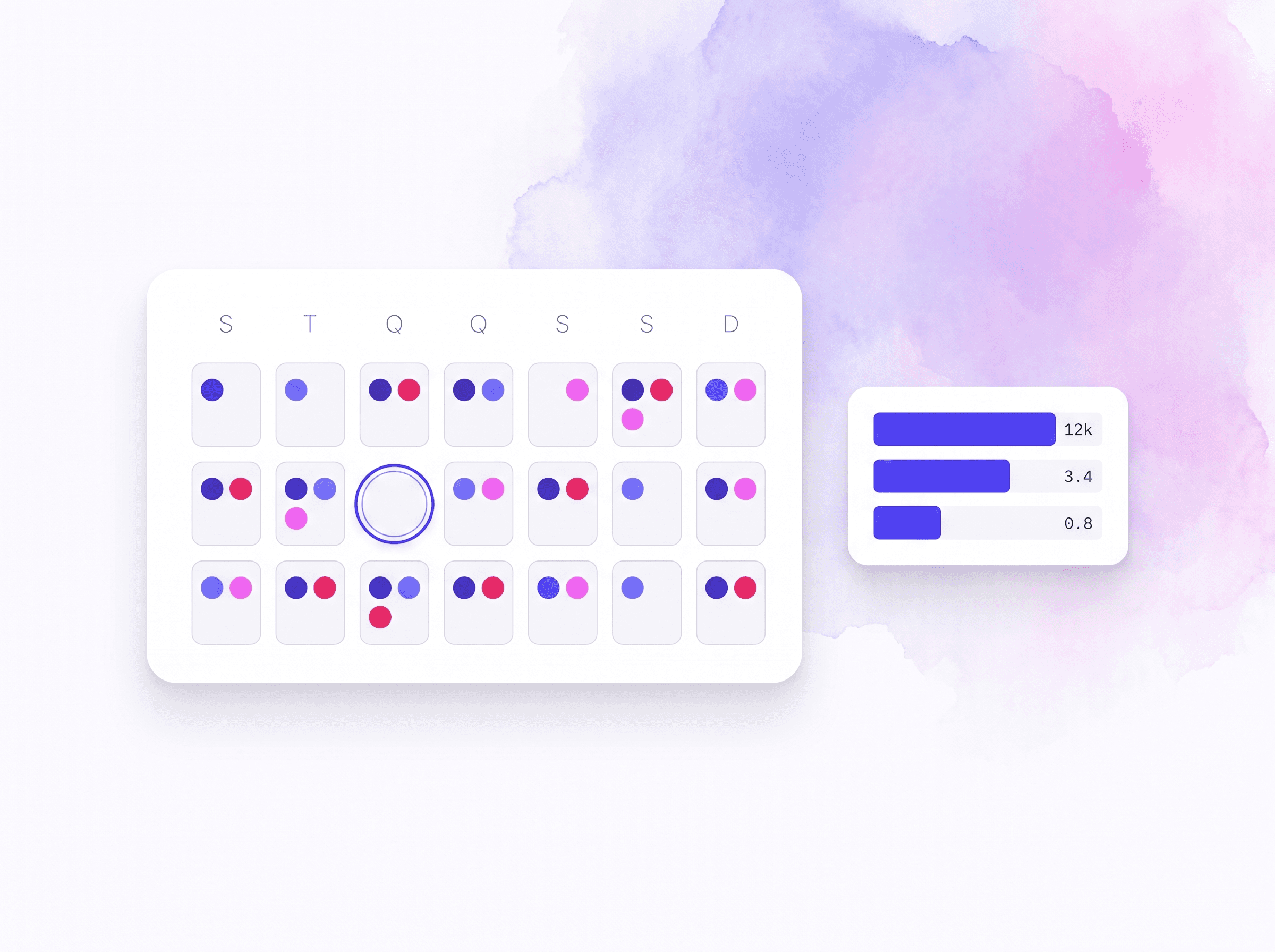
Every approved piece is distributed on the best day and time for each platform, based on your audience's behavior, niche benchmarks, and performance history. From the data collected to the post published, the flow never breaks.
Competitor analysis that becomes editorial direction.
The team tracks, side by side, which formats engage for your competitors, where they lose audience, and which subjects no one has covered yet. That reading feeds into the weekly check-in and becomes concrete direction: what your brand covers first, in which format, on which platform. The goal is never to copy. It's to claim the open space in your segment before anyone else does.

Frequently asked questions.
It's the operation's research layer: proprietary technology that analyzes your niche, competitors, trends, searches, and audience behavior before any content is created. It's what defines the topics the team proposes for your approval.
Yes, direct and indirect. The operation compares performance, identifies the formats and topics that are working for them, and points out the spaces no one has explored. That reading becomes the editorial direction for your content.
Because most of the market creates from assumption. Manycontent built its own analysis technology, calibrated by more than 100 million pieces of validated content since 2018, and uses that base on every account it operates.
No. Sources, competitors, and engagement patterns vary by market, and the topic graph is built from your profile during onboarding. Two clients in the same industry get different readings.
Both. Topics arrive ranked in your approval queue, and the market reading behind each proposal is presented in the weekly check-in with your account manager.
Let's design your operation.
Tell an expert where your business stands and get an assessment with an action plan.