
The eye decides whether to stop on your ad in two seconds.
Before a creative gets budget, the operation reads it with applied neuroscience: where the eye stops, what competes for attention, what to fix. You get the assessment with the proposed corrections, without operating any tool.

The expensive part of testing a creative is finding out it doesn't work.
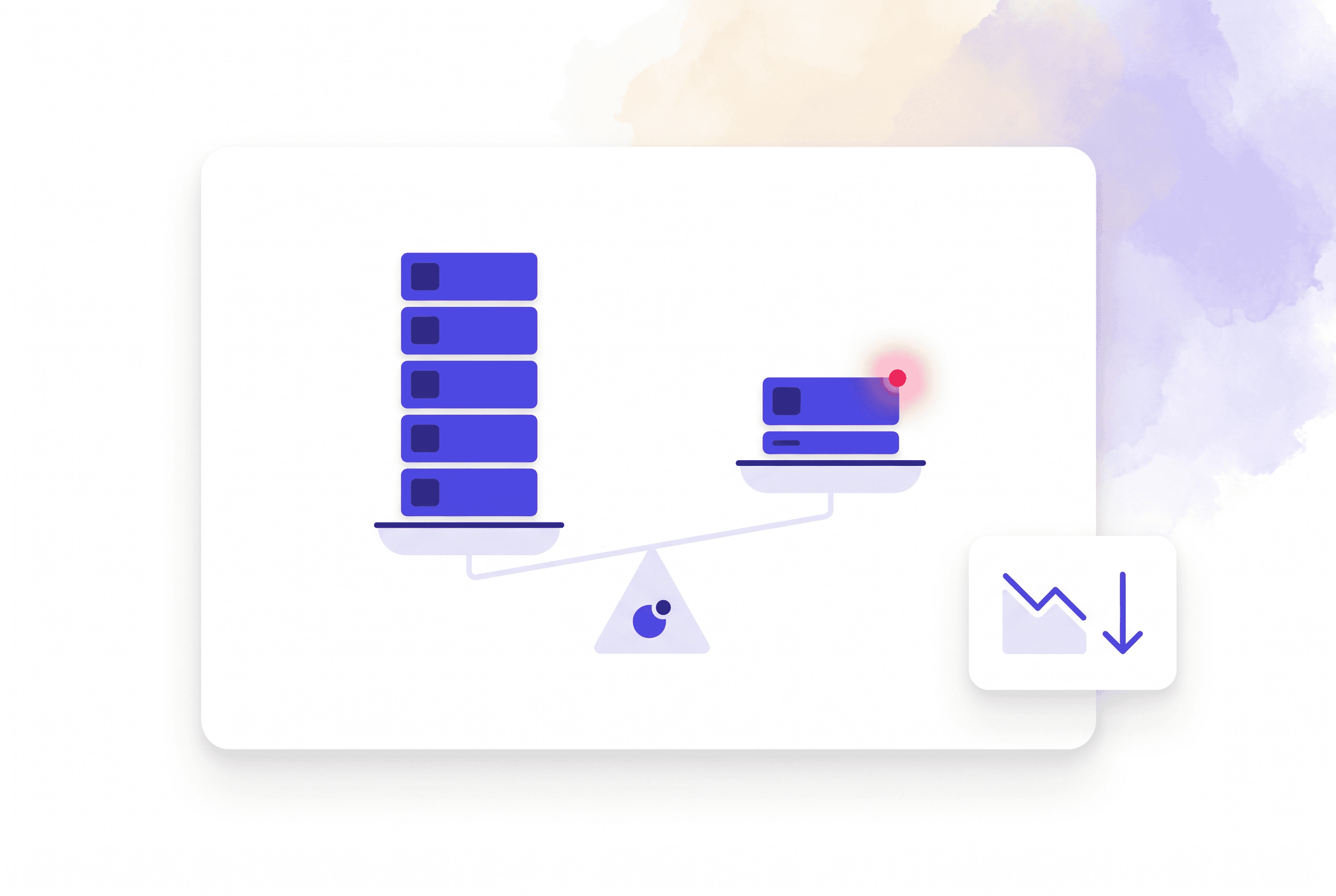
Every paid media operation knows the ritual: launch a batch of creatives, let them run a few days, check the CTR, and kill the weakest ones. The cycle works, but every round burns real budget to produce information that was already sitting in the piece before it went live. Neuroscience analysis flips the order. Before a creative becomes an ad, the team analyzes where the eye stops first, what competes for attention, and how much effort the core message demands from the audience. The creative enters testing after it's been corrected, and budget goes toward pieces that already passed the filter.
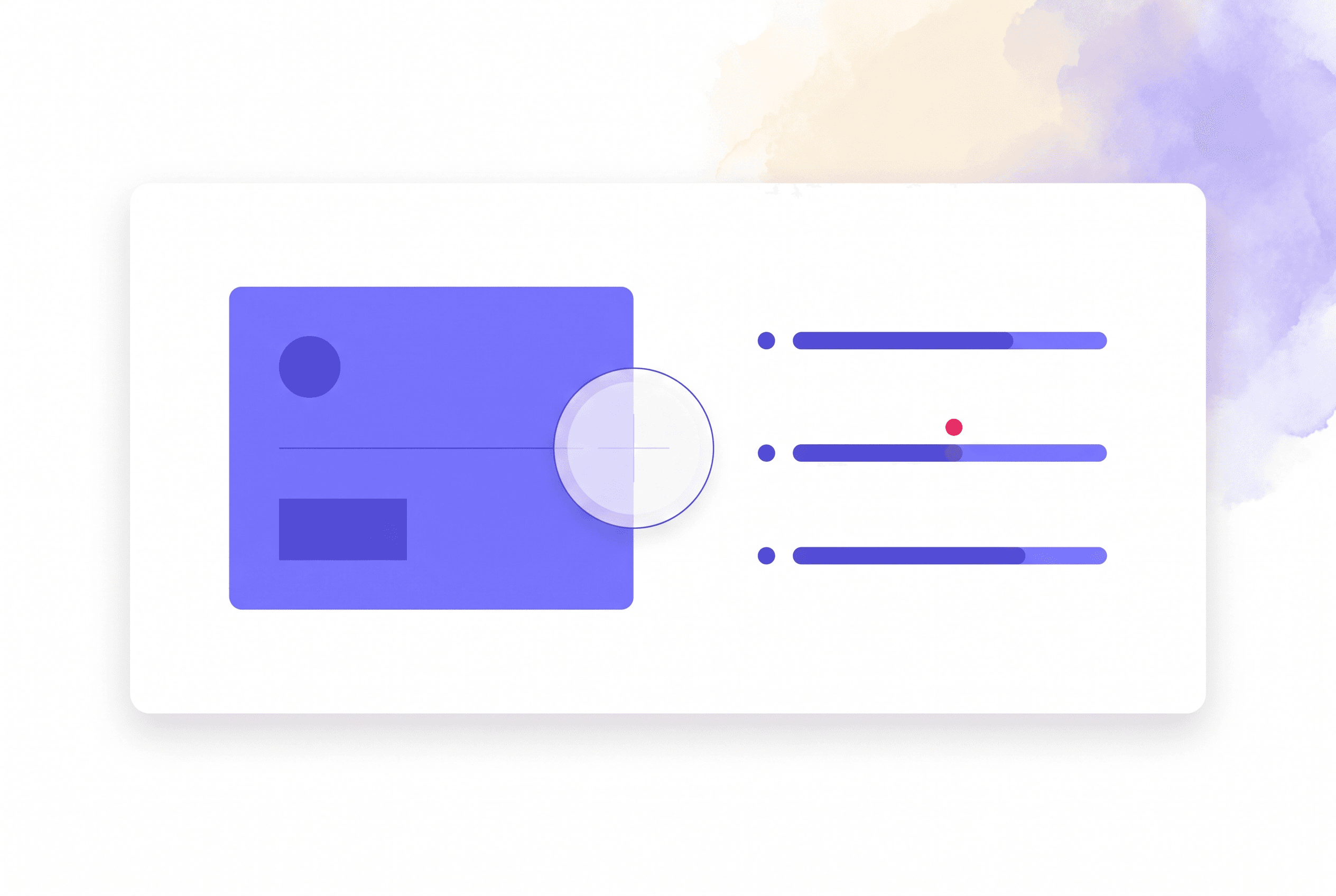
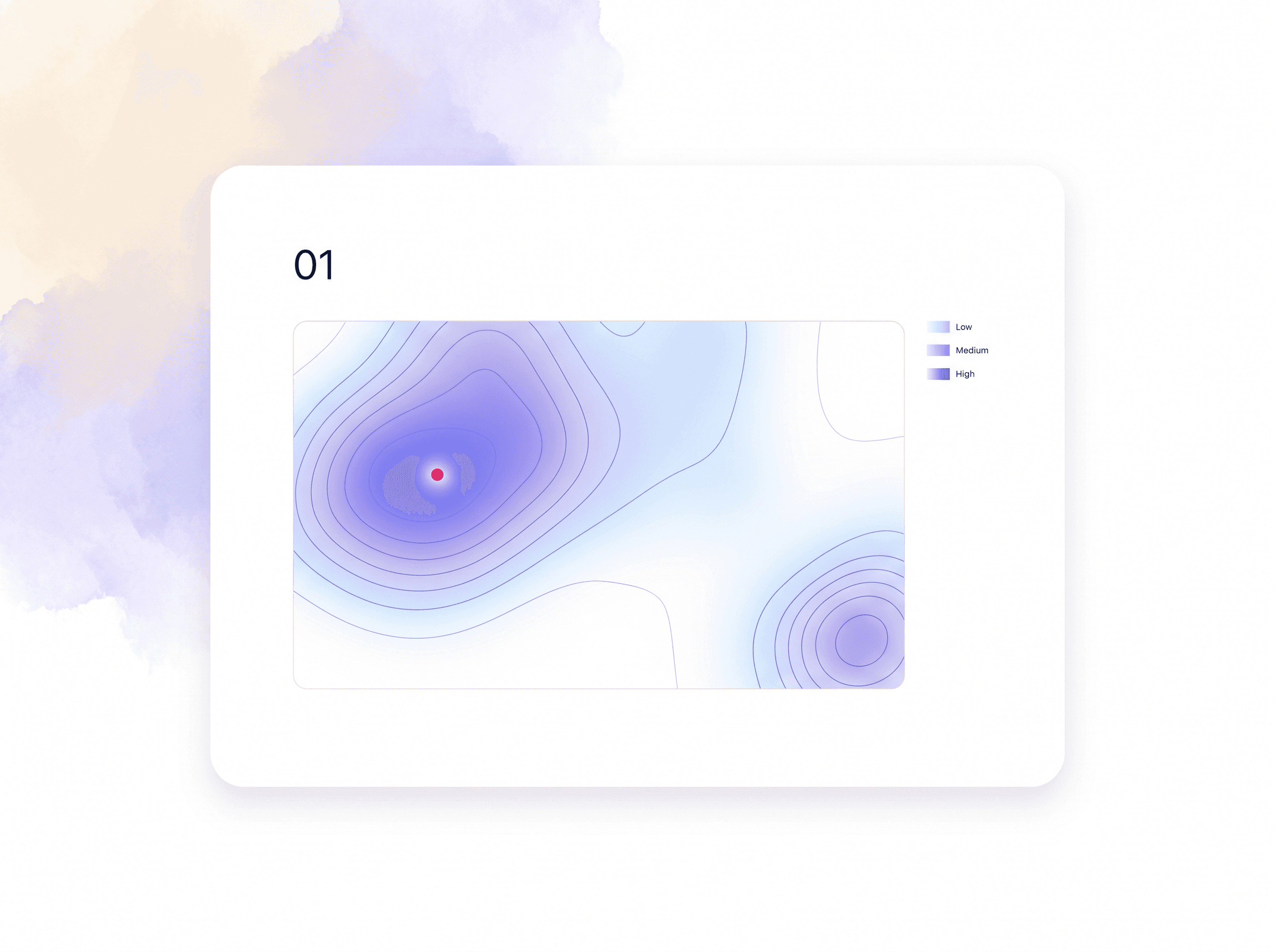
Where the eye stops in the first two seconds.
Every image, thumbnail, or first video frame gets a predicted attention heatmap, calibrated against eye-tracking studies from real campaigns. What the piece captures in two seconds decides whether it gets seen. The assessment marks the focal point, the areas competing with each other, and the path the eye follows.
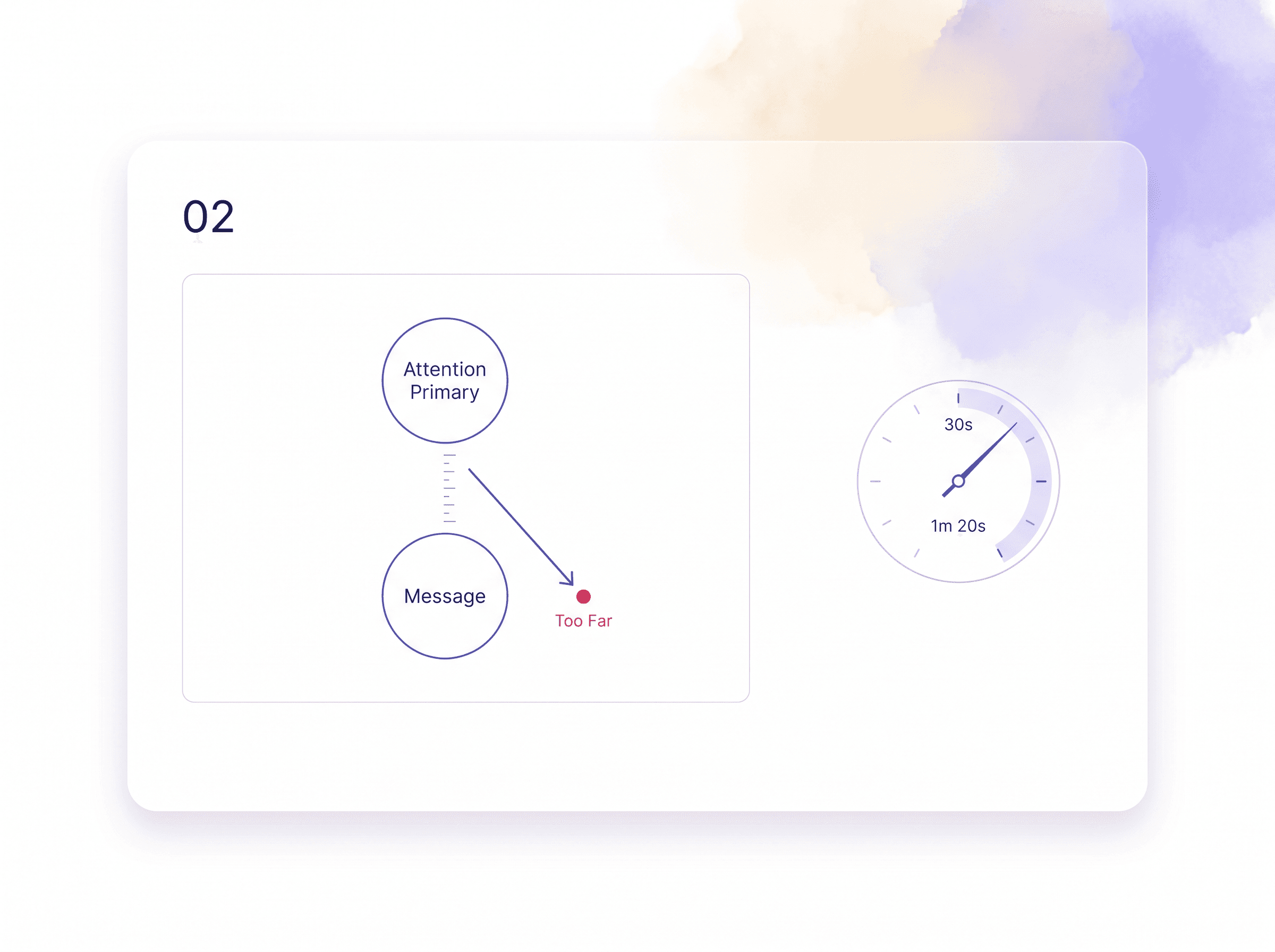
How long it takes the main message to land.
There's no point holding the gaze if the core message isn't read in time. The analysis measures the distance between the primary attention point and the main text or offer, and flags when decoding the piece demands too much effort. On a fast-scroll ad, that extra effort turns into silence.
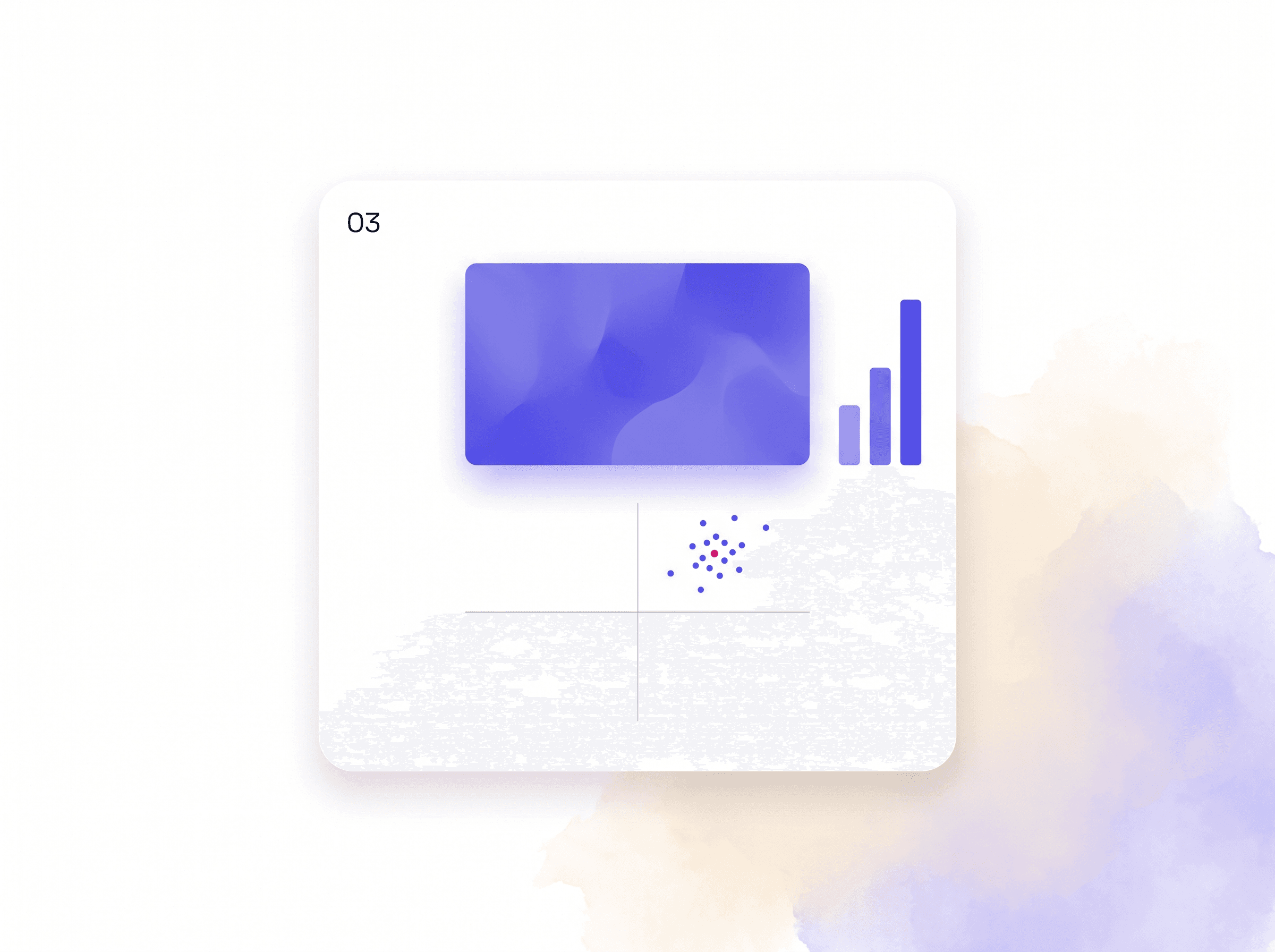
How the piece positions the audience's emotional response.
Color, facial expression, cut pacing, and composition carry predictable emotional valence. A thumbnail with high contrast and direct eye contact pulls a different response than the same piece with a soft palette and a sideways glance. The assessment translates these visual choices into a predicted audience reaction, before a single dollar gets spent.
What changes before it goes to Meta Ads.
Every read ends with a short list of fixes prioritized by the team: whatever delivers the most impact with the least rework. Moving the focal point next to the text, boosting headline contrast, redoing the thumbnail around the facial expression instead of the product. The piece goes back into the campaign with the invisible work already done.
Where the analysis pays off fastest.
When a creative is expensive to produce, think video shot on location or a photoshoot with a model, every piece corrected before launch pays for the analysis. When testing volume is high, as in e-commerce, info products, and B2C SaaS, the gain shows up in a tighter cycle: fewer weak pieces eating into budget. One pattern the analysis catches often: a skincare piece where the model dominates the frame and the product sits exactly where nobody looks. The attention map shows the miss before the ad goes live, and the fix arrives along with the assessment.
How it connects with the rest of the work.
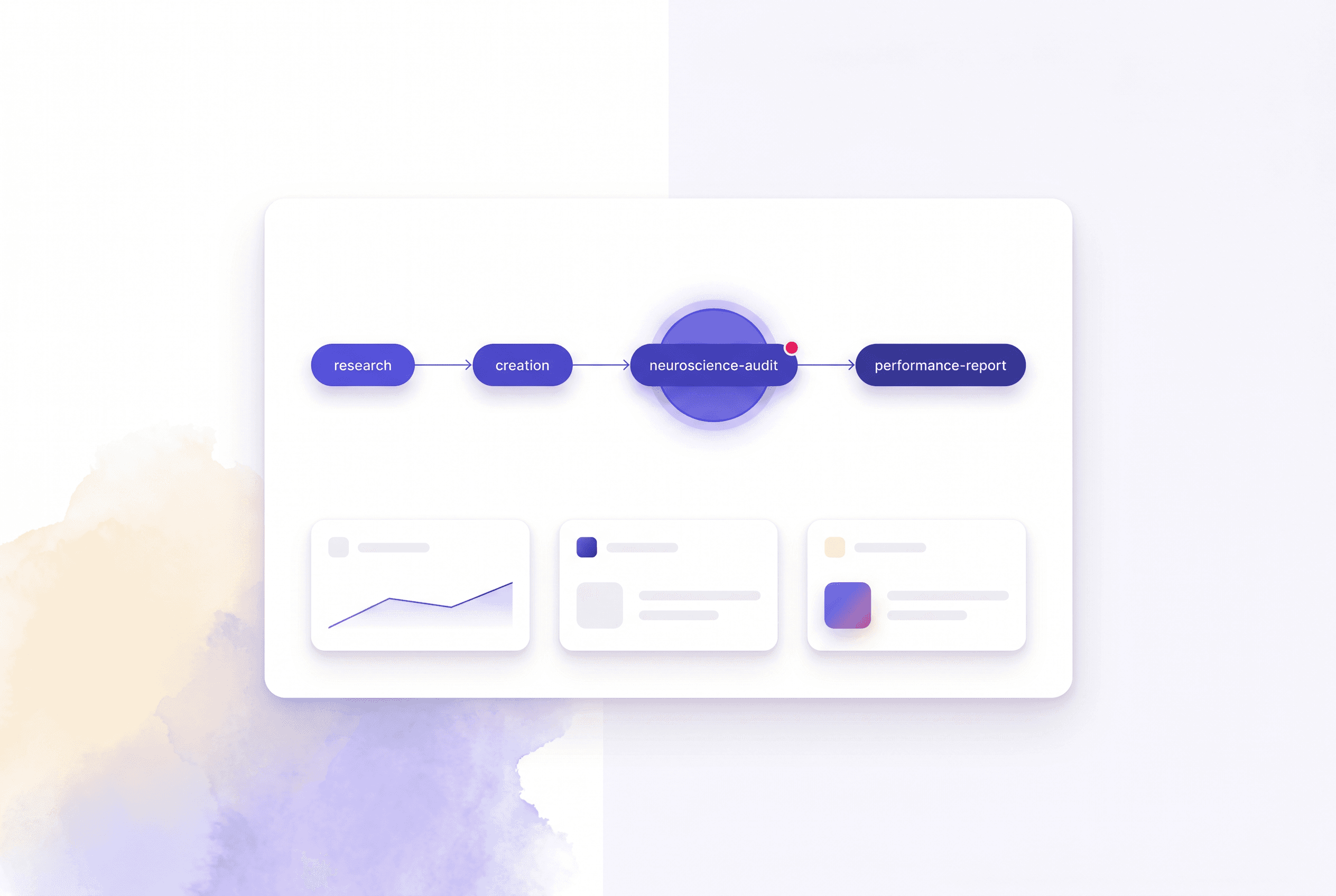
The analysis sits between creation and paid media. In the full operation, market intelligence points to the theme, the pipeline generates the creative aligned to brand identity, neuroscience analysis corrects it, and the report measures the result after the campaign runs. Every piece goes live with a layer of curation that most operations only realize was missing after burning budget.
Frequently asked questions.
Partly. The analysis combines models trained on eye-tracking studies, a database of campaigns with known performance, and curation from a human analyst on the team. The automated part delivers the map; the human part calibrates for the category, the audience, and the campaign's context.
No. It lowers the cost of testing. A/B testing remains the final verdict, because only the market decides what engages. What the analysis prevents is structurally flawed pieces reaching the test stage: fewer creatives go up, already corrected, and budget stops funding the ones that would have died early.
Static images, carousels, video thumbnails, and the first seconds of short video. Long-form video can be analyzed too, but the return is smaller because the decision to watch or skip happens at the opening. The analysis focuses where the return is highest.
No. The team runs the analysis inside the pipeline, between creation and campaign launch, and you receive the assessment with the corrections applied or proposed. Your part is approving the final version of the piece.
Creative analysis comes with operations that include paid media, and it can also be scoped as its own front. Sizing comes out of the assessment and goes into the scope you sign with the account manager, based on your testing pace.
It's designed to fit inside the operation's weekly cycle, between creation and launch. Tight-deadline launches get arranged at the check-in with the account manager, who prioritizes the queue to keep the schedule on track.
Let's design your operation.
Talk to an expert and get an assessment of where you stand.