
Your agency isn't competing with AI. It's competing with the agencies already using it.
Your competitor delivers the same scope in half the time because they put a production backbone behind their account service. Manycontent is that backbone: the Humans + AI operation produces for your client roster, and your team stays at the center of every client relationship.



Margin pressure has turned into survival pressure.
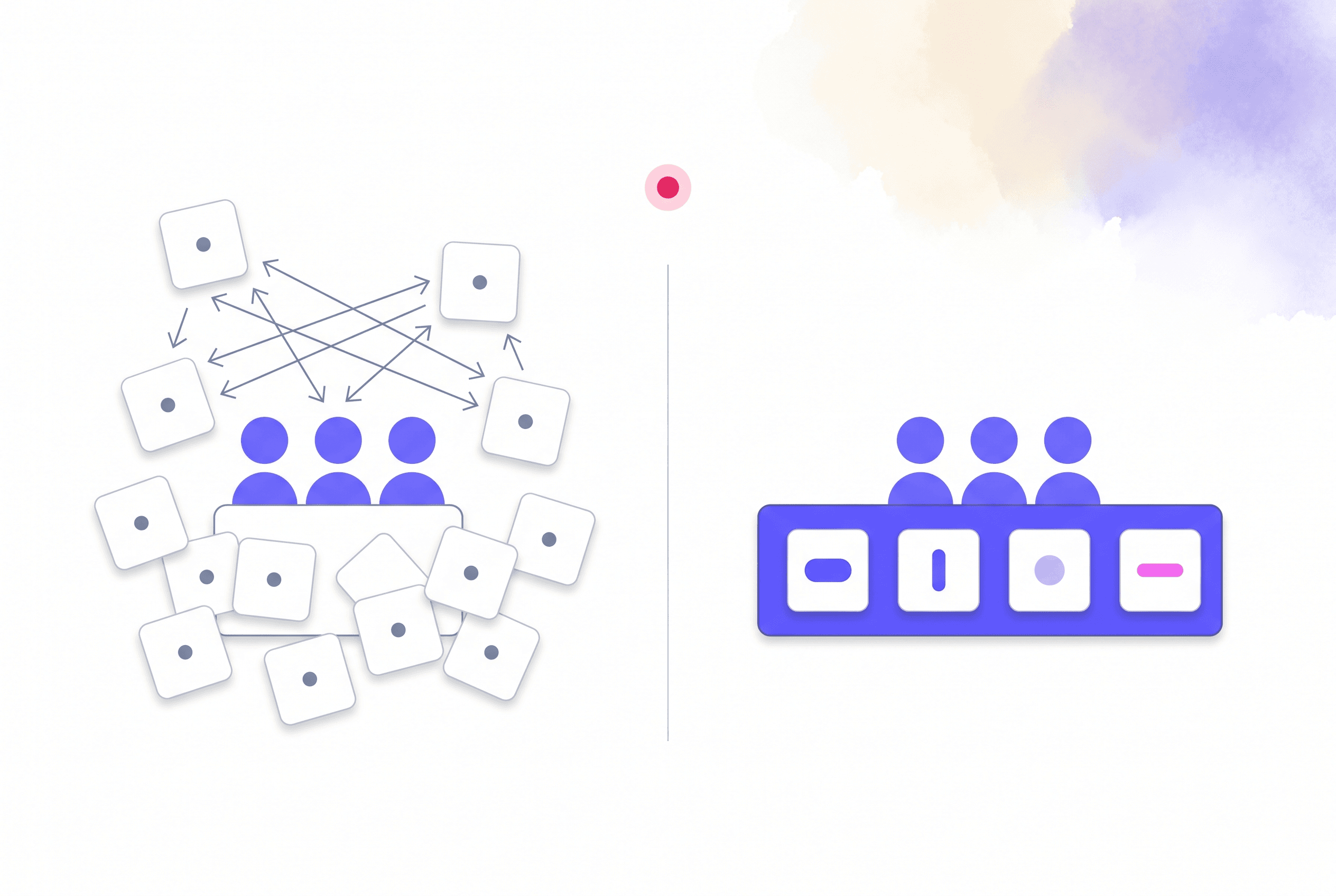
There's a calculation most agency owners avoid: how much of the monthly fee goes to salaries for people running routine production, and how much is left for senior account work, new business, and niche specialists. The answer gets worse every year. Clients push on price, team costs keep climbing, and every new account comes in at a thinner margin than the last. Meanwhile, the competitor already running on an AI backbone pitches the same scope with a shorter timeline. When they win the account, what tipped the scale was the speed of their pipeline against the production your team still builds by hand.
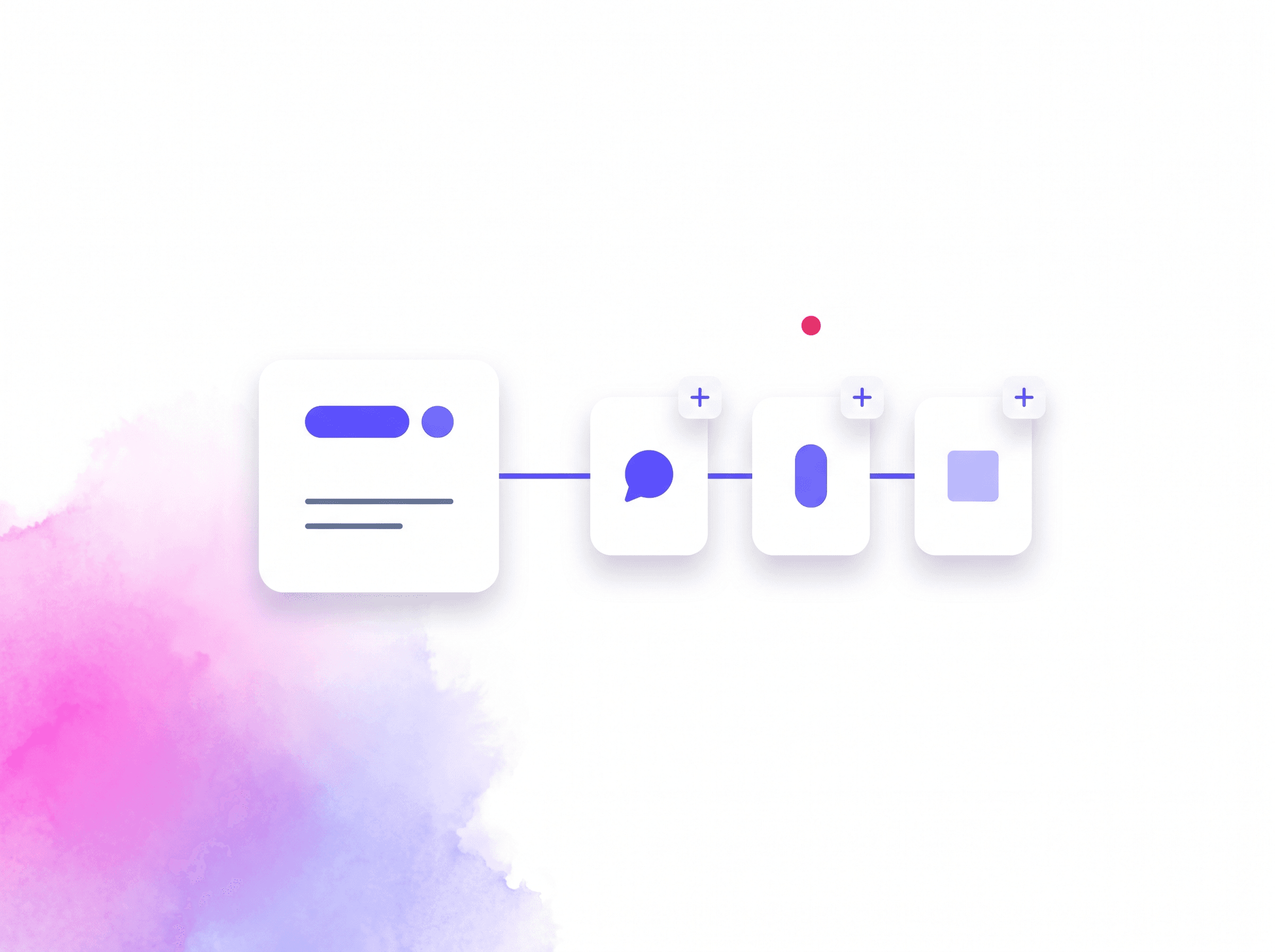
One workspace per client, with each brand's voice isolated.
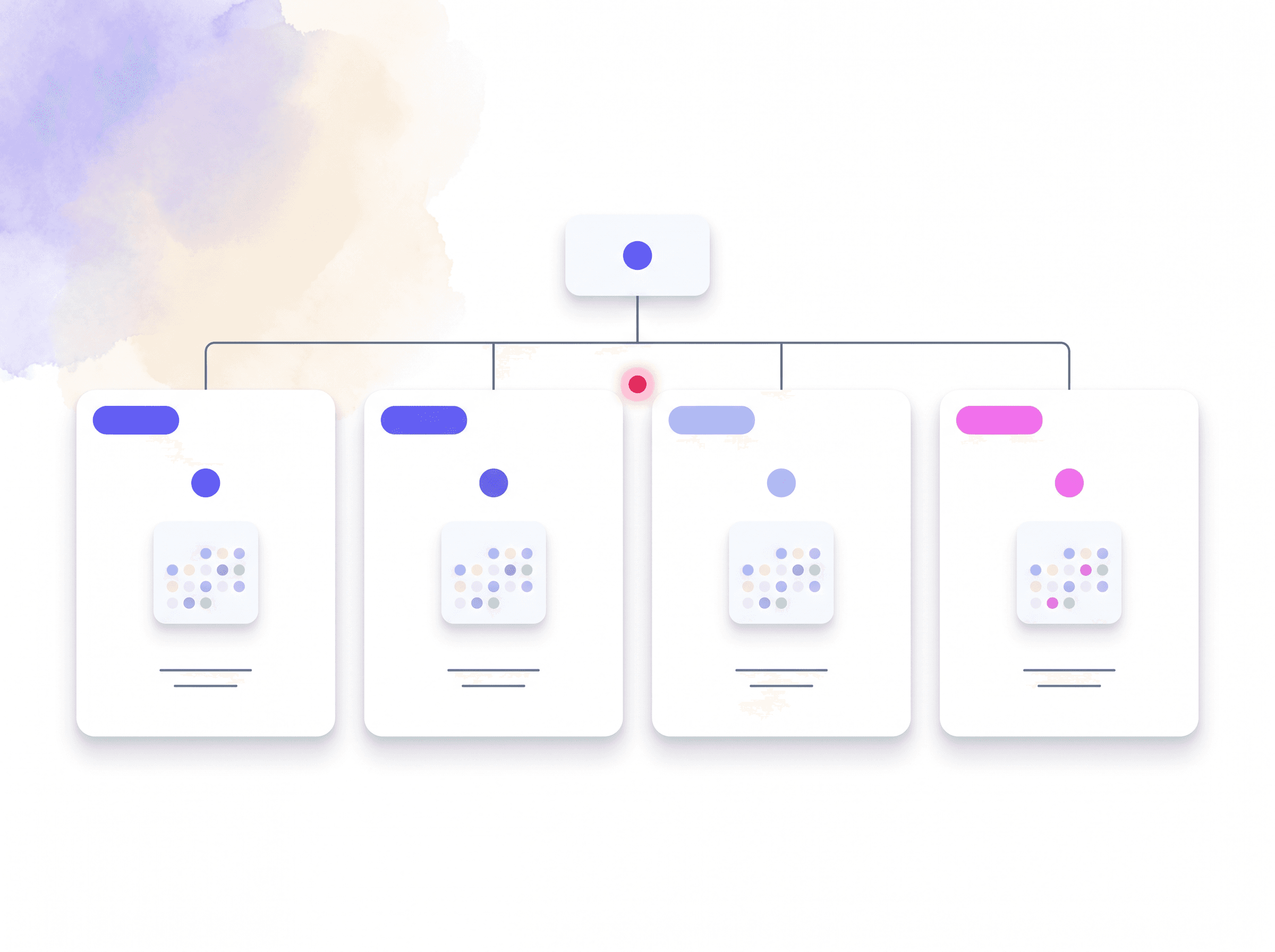
Every account on your roster enters the operation as its own workspace: its own brand voice, visual guidelines, personas, competitors, and editorial calendar. Everything the pipeline produces for a client is born inside the right context, and every report reflects the right metrics. A post for client A never goes out in client B's voice.
Production delivered ready, carrying your agency's signature.
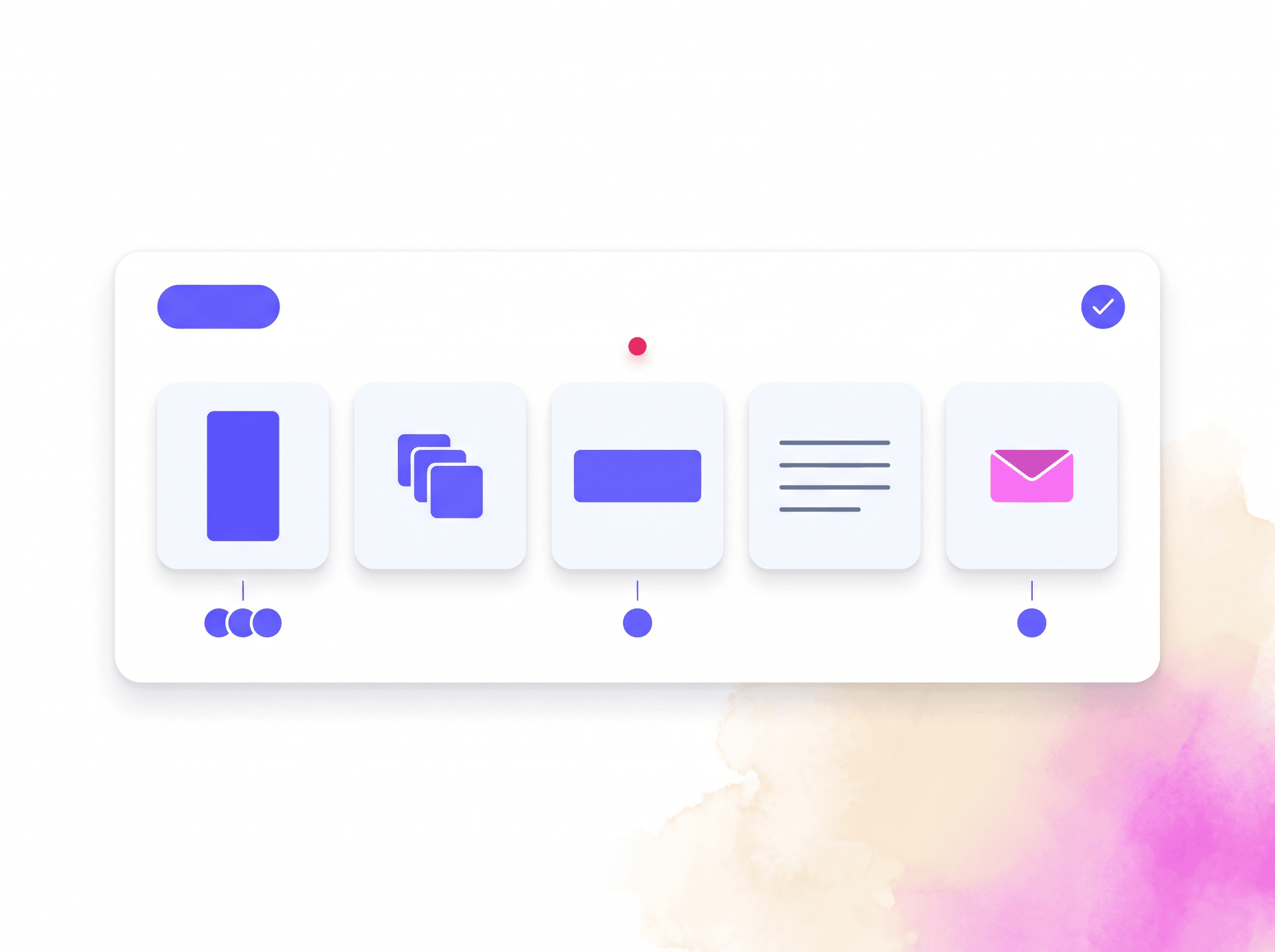
Reels, carousels, static posts, LinkedIn copy, email, and video scripts arrive produced by the operation in each brand's format and tone. Your team reviews the week's queue, adjusts whatever needs refining, and signs off before it goes to the client. The work ships at your agency's standard, and what the client knows about the pipeline stays your business decision.
Scheduling and reporting per client, ready for the monthly meeting.
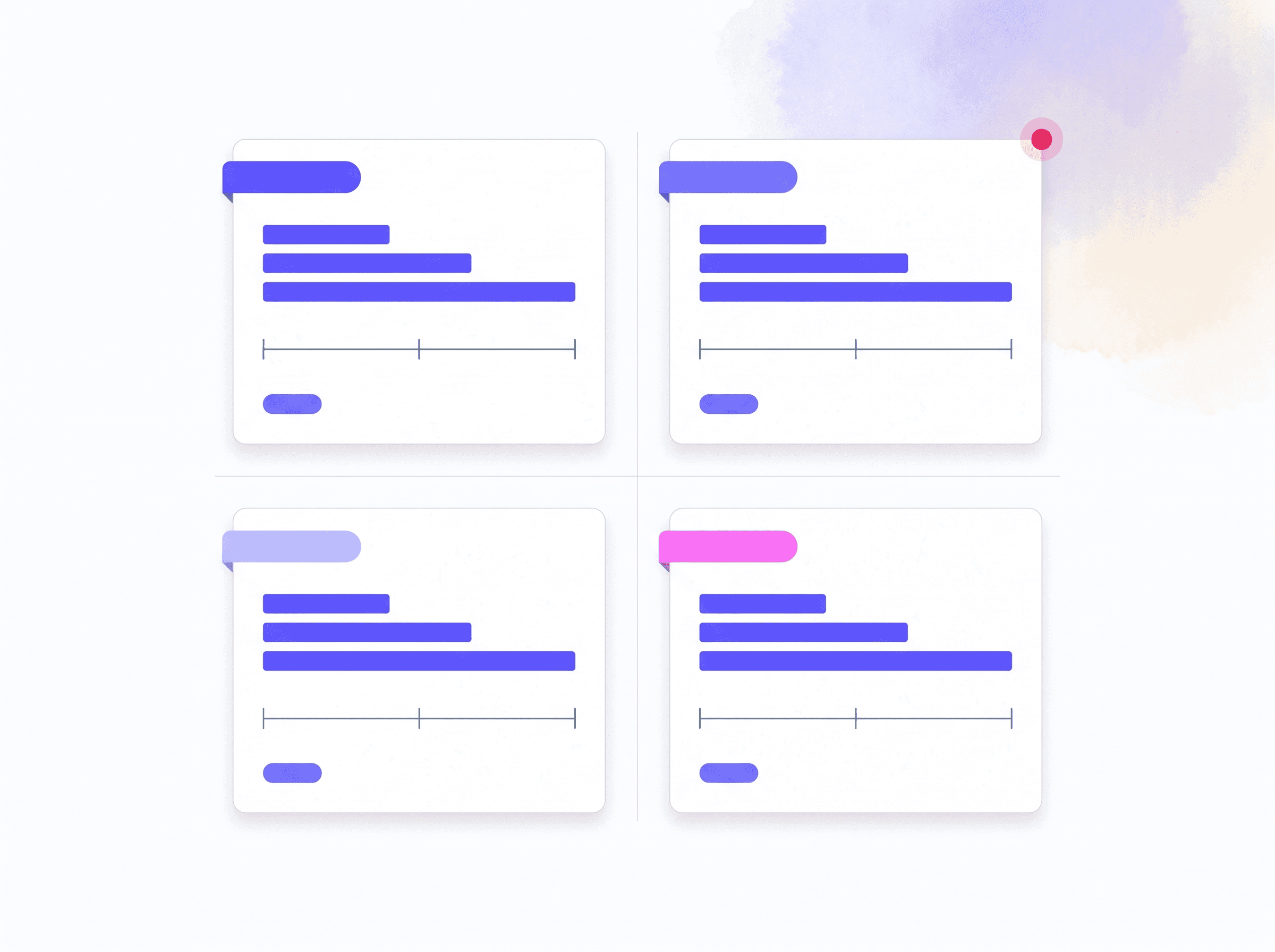
Each brand's editorial calendar stays full and publishes at the best time on every channel. Reports go out per client, in the layout your agency sets up once: lead source, engagement per post, week-over-week comparison, and campaign contribution to pipeline. Your team walks into the monthly meeting with the deck ready, instead of spending Friday night building the report.
AI agents your agency packages as a new service.
The Instagram comments agent, the WhatsApp agent qualifying leads, and the website agent answering questions become services your agency offers the roster without hiring anyone. Manycontent's team configures and operates each agent on the backbone; your agency prices it, presents it, and keeps the relationship. A client who today pays only for social media starts paying for social media plus agent operations.
Your team on what only they can do. Your roster's production, on our pipeline.
Your senior social media lead shouldn't be cutting Tuesday's reels; they should be deciding next quarter's positioning with the client. The copywriter shouldn't be stuck on routine captions, and the designer shouldn't be exporting the same asset in five aspect ratios. Manycontent's operation absorbs that operational layer as your backbone: production at scale, scheduling across each brand's channels, per-account reporting, and a conversational agent handling DMs. That frees your team for the layer clients recognize as agency value: strategy, concept, brand care, and relationship.
More accounts on your roster, without hiring at the same pace.
With production running on the backbone, your team's time stops being the ceiling on how many accounts you can carry. Margin on each new account improves because the variable cost of production drops, and your agency starts competing for scope that used to be sustainable only for larger shops. When your roster calls for services you don't have in-house (paid media, senior editing, GEO, a conversational agent), the Humans + AI operation steps in beneath your account service, under your name. Your agency expands its menu without hiring the headcount to sustain it.


Frequently asked questions.
No. The backbone exists to absorb routine production, and everything passes through your team before it reaches the client. The expected effect is reallocation: whoever produced routine posts starts coordinating more accounts, the copywriter becomes the editorial owner for more brands, and the senior moves up to the strategy layer.
That's where the effect shows up fastest. Small agencies constantly choose between taking the next account and keeping quality on the current ones. With production on the backbone, you take the next account with the same team and keep the standard, because your team gains time for account work.
It depends on your contract and on what makes sense for the relationship. Some agencies are explicit that operations are AI-accelerated; others treat it as an internal method. Manycontent doesn't force technical transparency about the pipeline: that business decision stays with your agency.
No, you don't. The operation can start by absorbing whatever eats up the most of your team's time, and multi-account scheduling is usually the most obvious bottleneck, running alongside whatever already works well. Which fronts come first gets defined in the assessment.
Every agency enters an operation designed around its roster size, the CRMs its clients use, and the level of support that makes sense. It includes separate workspaces per client, per-user permissions, a dedicated account manager, and Humans + AI services activated per specific account. The assessment produces a signed scope, not a price list.
The design protects the relationship: account service, editorial strategy, monthly reporting, and agent management live in your agency's layer, and anyone who hires directly loses exactly that layer. In practice, the backbone makes your agency's senior value more visible to the client, not less.
Let's design your operation.
Talk to an expert and get an assessment of where you stand.