
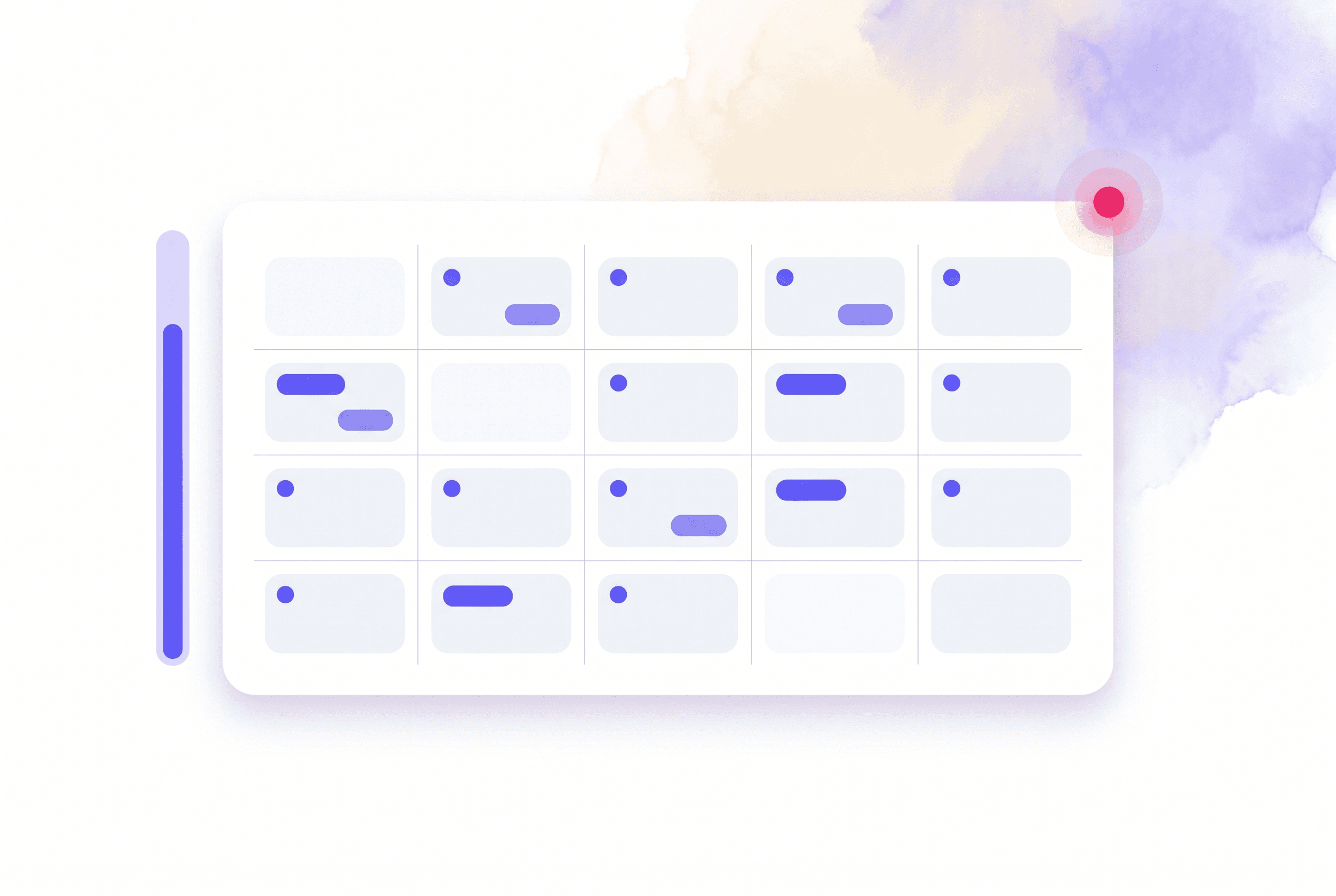
Monday morning, your month's calendar is already full.
The operation prepares 30 days of topics ranked for your niche, you approve them in a queue, and each post goes out at the best time for each network. No one on your team needs to open Instagram, TikTok, or X to publish, and the CRM shows which post brought in leads.

The question "what do we post this week?" stops coming up.
In the old model, the week stalls on the decision: Monday's meeting debates topics, Tuesday passes with nothing scheduled, and the post that ships is whatever there was time for. The feed ends up hostage to the calendar of whoever should be running the business instead. In Manycontent's operation, the editorial line has already prepared the next 30 topics, ranked by potential for your niche. Your part is approving the ones that make sense. From the queue to the calendar, from the calendar to publishing, with no blank screen in between.

The editorial line delivers the month ready to go.
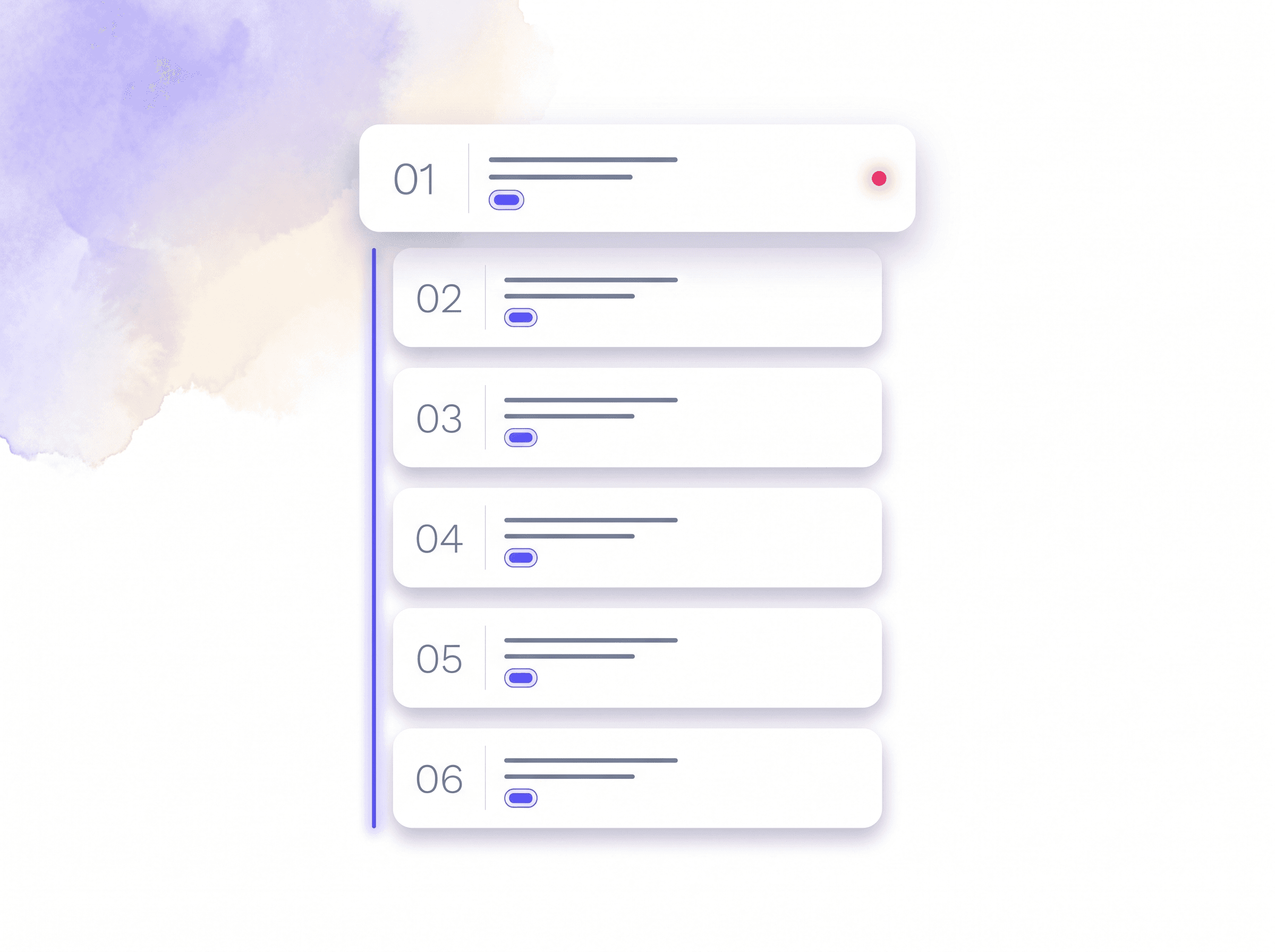
30 ideas already ranked by potential for your niche arrive in a queue, each with a suggested format (Reel, carousel, short text) and the network where it performs best. No one on your team starts the month staring at a blank calendar or spends Monday morning deciding what to post.
You approve in a queue.
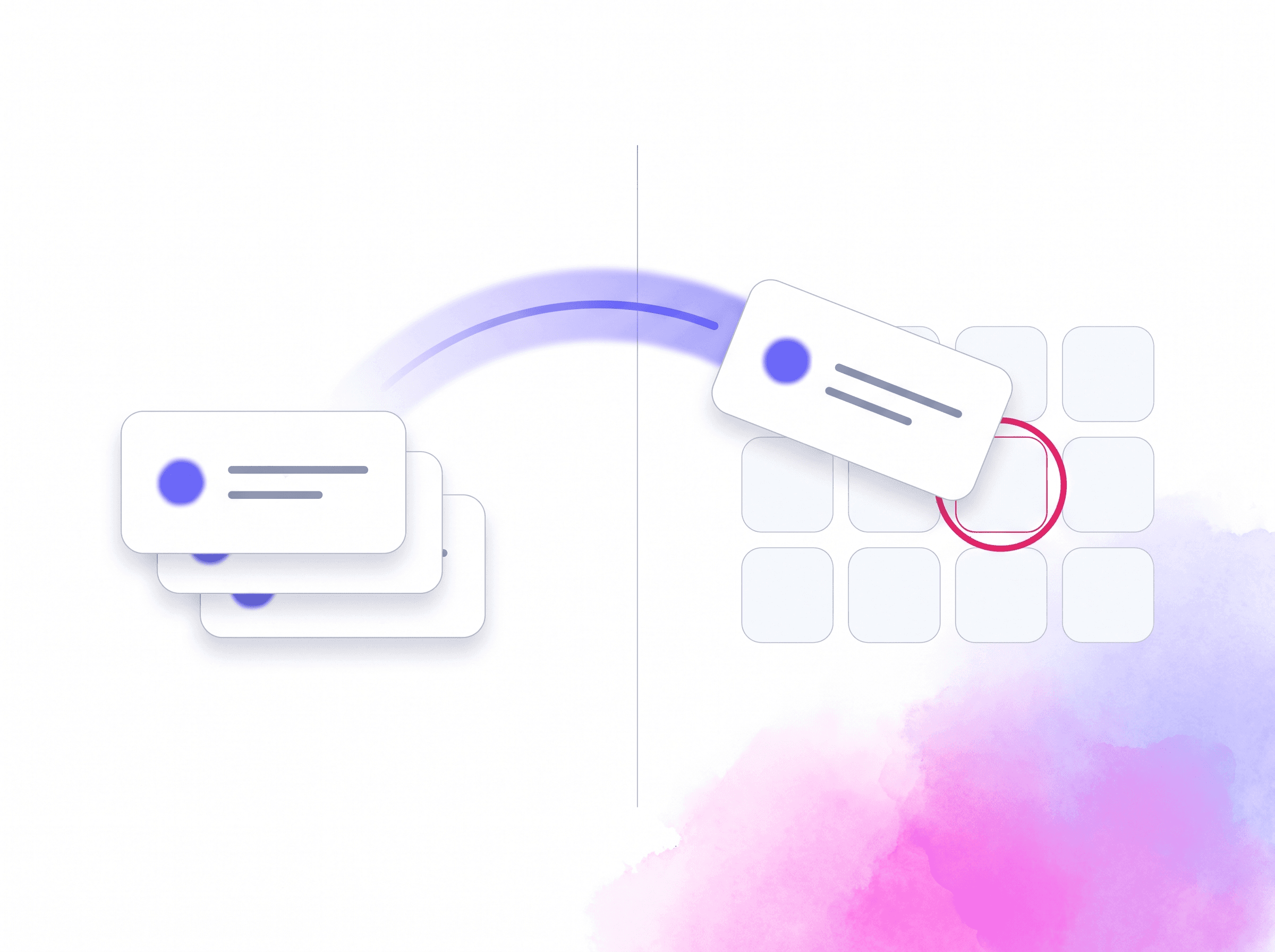
Each idea becomes a card. Approve what makes sense, request a tweak on what needs refining, discard what doesn't fit the moment. What's approved enters the calendar automatically, on the suggested day and time; what's flagged for adjustment comes back with a new version for you to review.
The best time for each network, without guesswork.
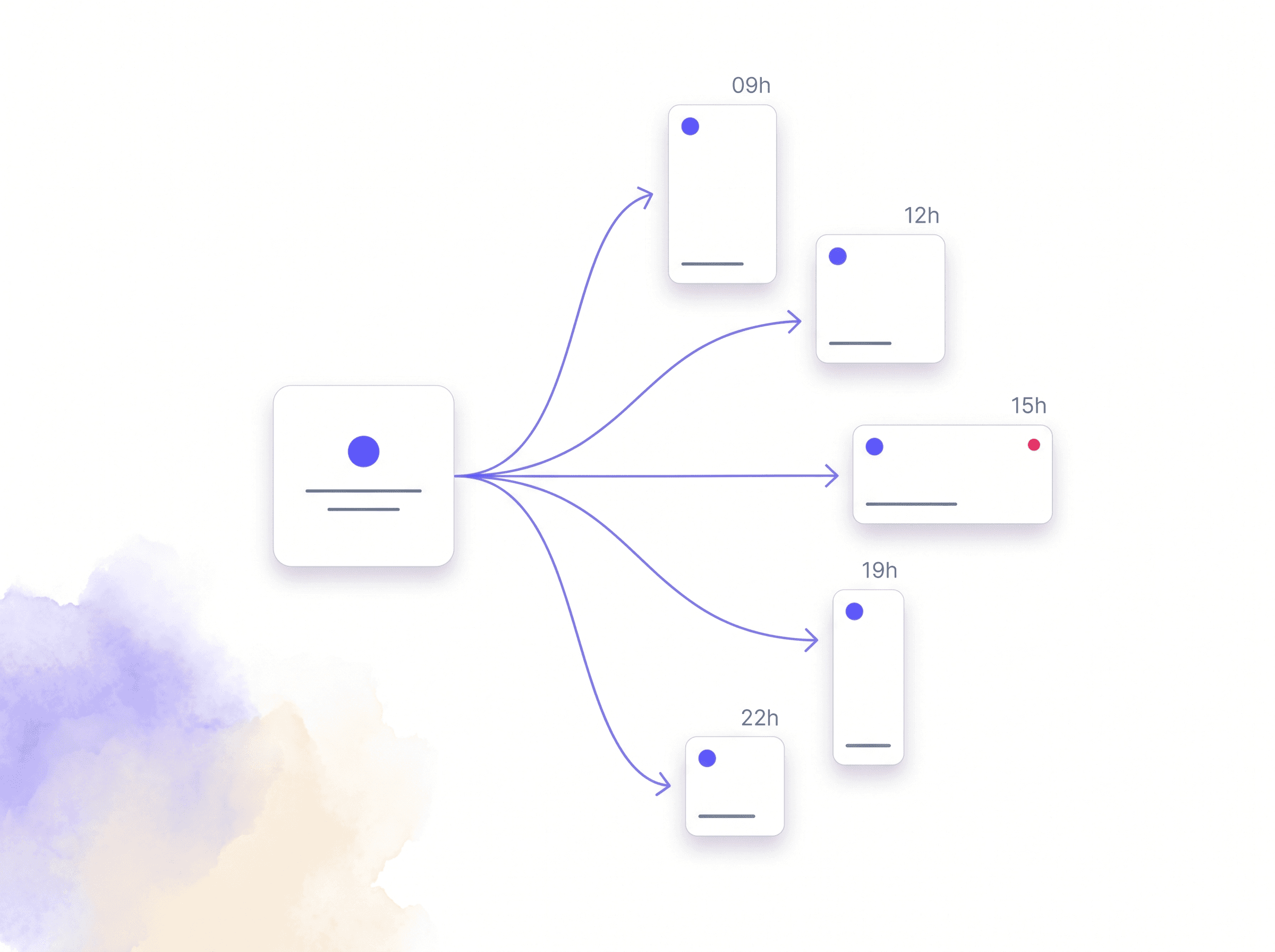
Instagram runs on a different clock than LinkedIn, and TikTok peaks on Saturday nights. The technology reads your audience's behavior (when it engages, what it saves, what it shares) and distributes each post in the window where it performs best. It's your audience's window, not a generic business-hours rule.
It publishes on its own, across five networks.
Instagram (feed, Reels, carousel), Facebook, TikTok, LinkedIn, and X. The post goes out at the scheduled time without anyone opening the app. If a network fails, the operation gets an alert with the exact reason, handles the resend, and you're told what happened. No post disappears into thin air.
Five networks, one calendar, one approval.
The same topic doesn't need to be recreated five times. The pipeline adapts the format per network: vertical Reels on Instagram and TikTok, a carousel on LinkedIn, short text on X, a horizontal post on Facebook. You approve the idea once, and the operation handles the translation per channel. A Pilates studio approves a post about training myths on Wednesday. It becomes a Reel on Instagram, a carousel on LinkedIn, and a thread on X, each going out at the time that audience is online. One approval, three posts, zero manual duplication work.

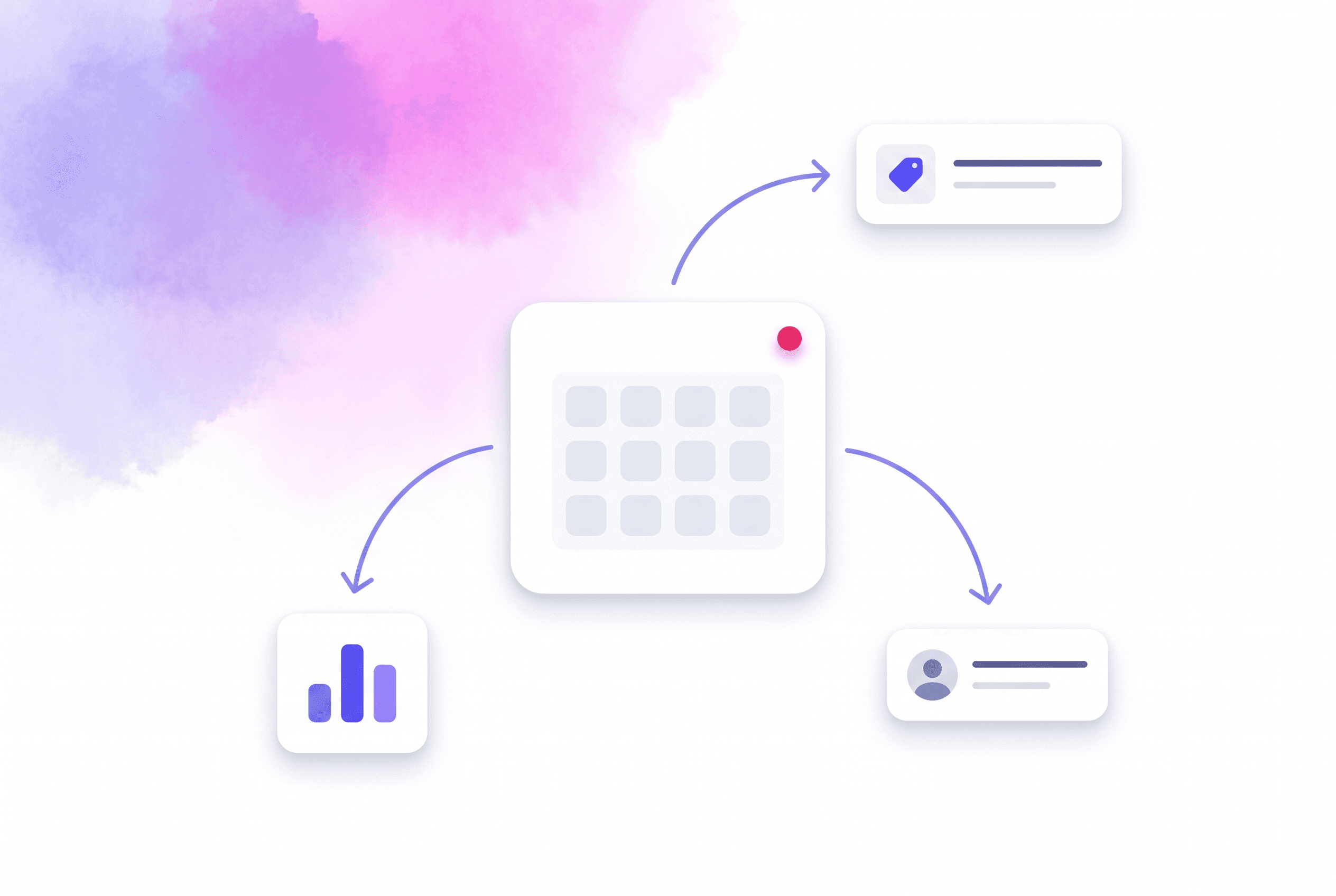
The calendar talks to content creation, the CRM, and reporting.
The scheduled post is the same one that came out of content creation, inheriting the editorial line, the tone of voice, and the topics market intelligence prioritized. If it generates a lead in DMs, the CRM stamps the exact source (Reel, Tuesday, 7pm), and the rep opens the card already knowing how the person arrived. When reports show that the 7pm window on Reels performs twice as well as the noon window, the operation adjusts distribution for the following weeks. The pipeline learns from what's already shipped, and your account manager presents those adjustments in the weekly check-in.
Frequently asked questions.
Just the initial authorization, guided by our team during onboarding: Instagram and Facebook through Meta Business, TikTok and LinkedIn on their official accounts, X with the account token. When an authorization expires (networks revalidate every 60 to 90 days), you get the notice in advance and revalidate in two clicks.
The operation does. The system pinpoints the specific reason (expired token, file outside the network's specs, content policy, network downtime), our team reschedules or publishes through another network, and you're informed of what happened. No post disappears in silence.
Every format the supported networks offer: vertical Reels on Instagram and TikTok, carousels up to 10 slides on Instagram and LinkedIn, single photos, horizontal video on Facebook, threads on X. The pipeline follows each network's rules, like dimensions, duration, and hashtag limits.
Always possible. You reach out to your account manager for an opportunistic post, like a news item of the day, or use the publish-now button right on the calendar, which stays accessible to your team. The approved flow is the default because it gives you time back; the manual option is still there.
It starts with a benchmark for your segment (windows when audiences similar to yours engage) and becomes your own data. After the first few weeks of publishing, the curve gets adjusted based on your audience's actual behavior: when it saves, when it comments, when it shares.
Yes. Request the change in the weekly check-in, or move it yourself: drag the card to another day, switch the network, edit the text. If the new time falls outside that network's ideal window, the system warns you before it goes out.
Ready to see it in action?
An expert will show you how the operation would run in your business.