
Your operation doesn't need more people. It needs the right people, human and synthetic, in the right place.
You got here through the effort of the team already in place. The next leap comes from an operation where Manycontent's experts, AI agents, and your own people each handle what they do best.



Every new front adds weight to the same seats.
A mid-sized company that has grown follows a pattern. Sales doubled, marketing stayed the same size, and the CMO went operational because nobody was left to review briefs. Nobody can say what last year's Black Friday actually generated in revenue. Picture a manufacturer going from 8 to 40 SKUs in two years with the same three people in marketing. Every new product needs a brief, approval, production, distribution, and measurement, all passing through the same seats. Materials fall behind schedule, sales loses timing, and the CFO cuts the budget because the return doesn't show up anywhere.

An assessment with an expert, not a form.
The conversation starts with a Manycontent expert who has already worked with operations similar to yours: a real review of what you do today, what's holding you back, and what to prioritize over the next 90 days. At the end, you get a map of the operation Manycontent would design for where you are, sized to fit. No obligation to sign; if the timing isn't right, we'll tell you.
A custom-built operation, approved before it runs.
Every Humans + AI operation is built piece by piece, with emphasis where your funnel needs it most: editorial production and nurturing when the sales cycle is long, or a qualifying agent and handoff to sales when the bottleneck is lead volume. You approve the design before signing, with explicit scope, cadence, and measurement.
Onboarding led by a dedicated account manager.
Someone joins your company as if they were part of your own team. The account manager leads onboarding, maps out brand style and tone, integrates the tools you already use, aligns with sales, and reviews access to sensitive data. In the first weeks, the follow-up is close and daily; after that, the cadence turns weekly, and you know exactly when to talk to whom, who owns which deliverable, and where to track what's going out.
A weekly routine with the Manycontent team operating alongside yours.
At the start of every week, the account manager presents what ran, what was learned, what's coming next, and where your decision is needed. Specialists in paid media, editing, social media, and strategy deliver each front on schedule, while the AI agents handle repetitive volume in the background. Your CMO stops spending the week on execution and goes back to doing what only they can do.
The Humans + AI operation is the team you never hired.
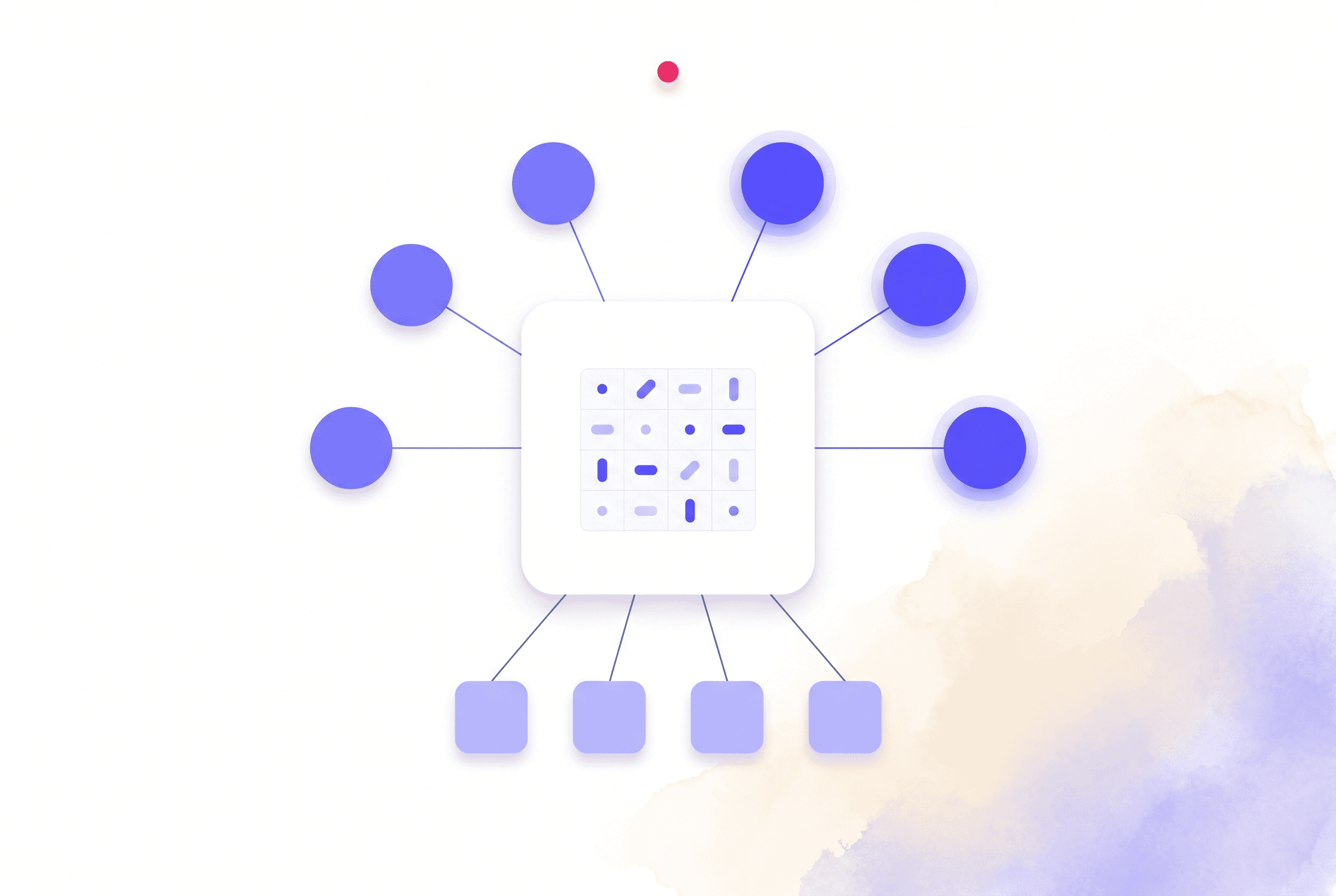
Manycontent comes in as an operation running alongside your company: a dedicated account manager who knows your business by name, specialists in paid media, social media, editing, and strategy executing each front, and proprietary technology handling the volume in the background. Your CMO goes back to being a CMO. Sales gets material on time, and the CFO gets a report that shows exactly how much came back from every dollar invested, with the source stamped by campaign, channel, and product.
Marketing and sales on the same pipeline, without anyone doing anyone a favor.
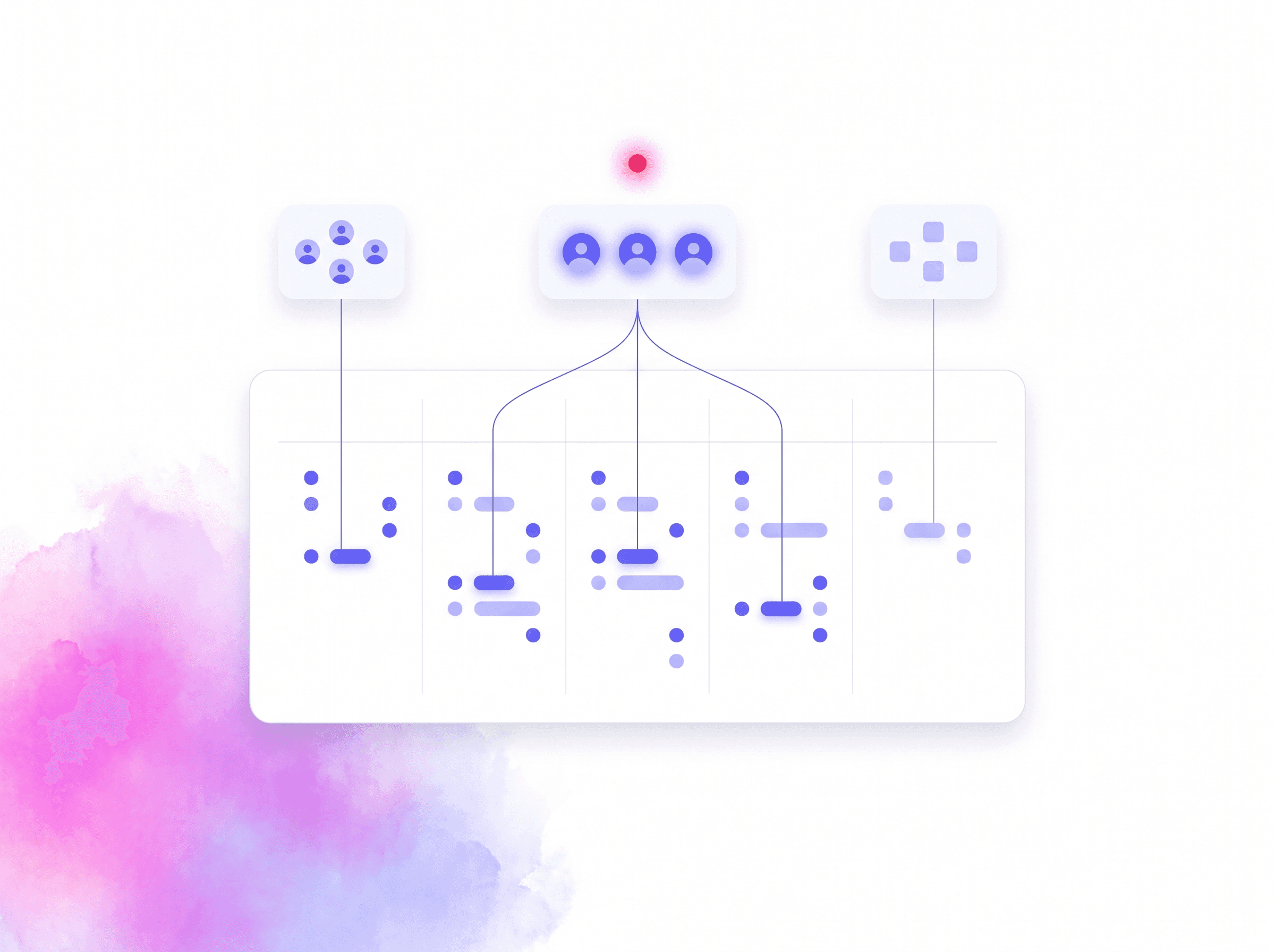
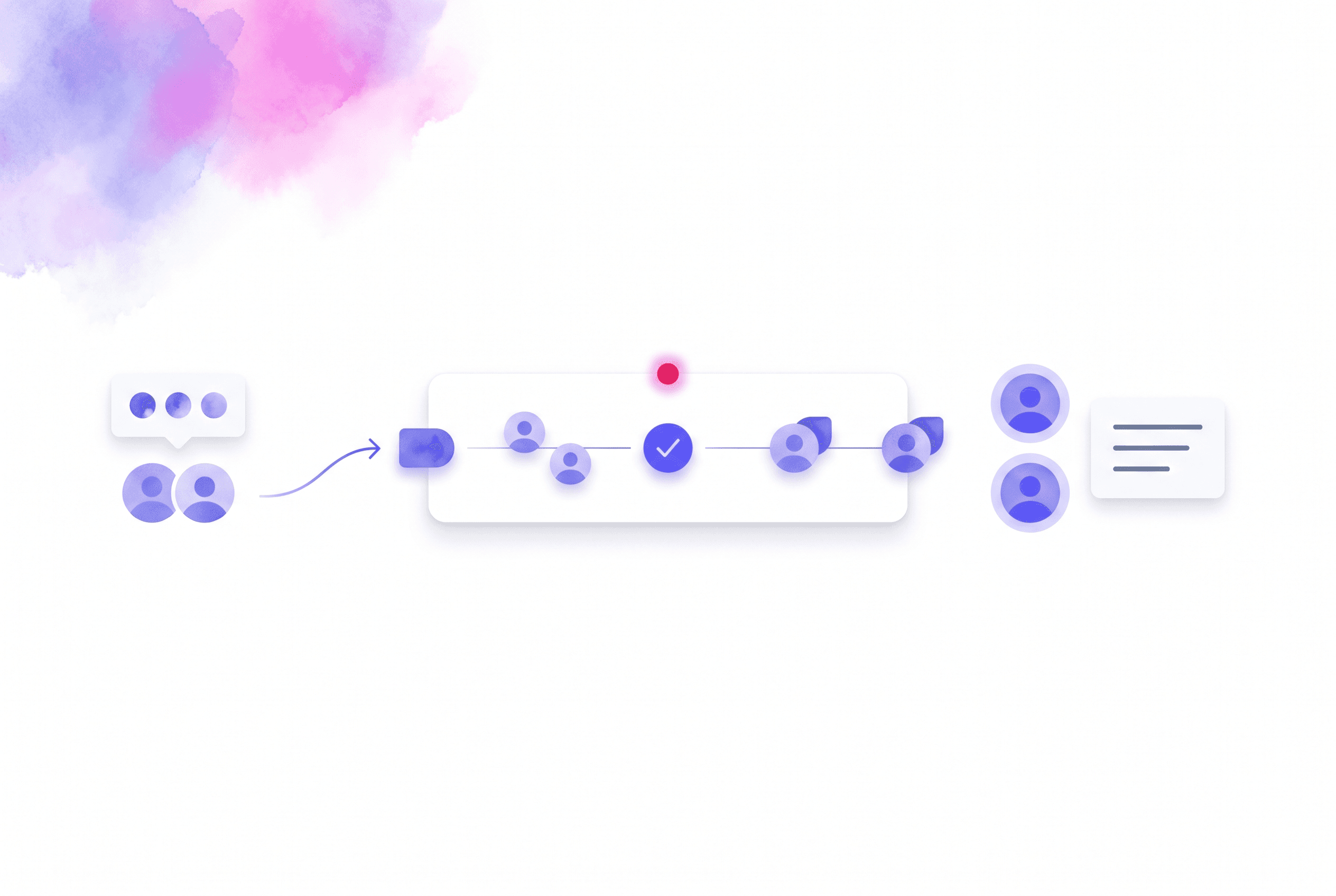
The biggest invisible loss in a mid-sized operation is the gap between the campaign that ran and the sale that closed. The lead enters the CRM with no source, the SDR doesn't know that person already saw three posts about the new product line, and the salesperson spends twenty minutes catching up on context marketing already had. Nobody's at fault, but the conversation always stays a step behind. The operation connects this from the source. Every lead enters the CRM with the exact stamp of where it came from (a LinkedIn ad from the quarter's campaign, a March webinar, a reply to last week's email). The AI agent qualifies the first contact, the SDR gets the card with context already attached, and the sales cycle stops losing information along the way.


Frequently asked questions.
No. The operation steps in to do what your team shouldn't be doing: production at scale, paid media execution, video editing, conversational agents, GEO. Your team goes back to handling strategy, brand decisions, and the relationship with sales, deciding with the data the operation puts on the dashboard.
The old outsourcing model scales by adding hours of people assembling deliverables by hand. Here, the specialists execute on Manycontent's proprietary technology, volume grows without cost growing in the same proportion, and performance data cross-references the CRM without a spreadsheet in sight. Scope, cadence, and measurement method are signed off before anything runs.
No. The pipeline connects natively to RD Station, HubSpot, Salesforce, and Pipedrive via API. You can keep your current CRM and use the operation to consolidate the rest (production, agents, paid media, reporting), or consolidate everything here. The decision comes out of the assessment, based on what makes sense for your operation.
Governance is part of the operation's design. You define who approves what, which content goes out directly and which needs validation, and who accesses sensitive customer data. The platform is LGPD-compliant by default, with encryption in transit and at rest, data hosted on Brazilian infrastructure, and a contractual commitment that your data is never used to train AI.
It depends on your starting point, which is why how we measure results gets defined in the operation's design, before anything runs. From day one you track consolidated cost and production speed, and once the funnel has tagged sources, the sales cycle measured through your CRM. Nothing gets tracked by vanity metrics.
One executive for strategic decisions (CMO or the person who owns marketing) and one operational point of contact for day-to-day work. The rest is handled by your dedicated account manager and the operation's specialists.
Let's design your operation.
Talk to an expert and get an assessment of where you stand.